Blog · Storm Damage
Roof Snow Load and Snow Removal on New Jersey Roofs
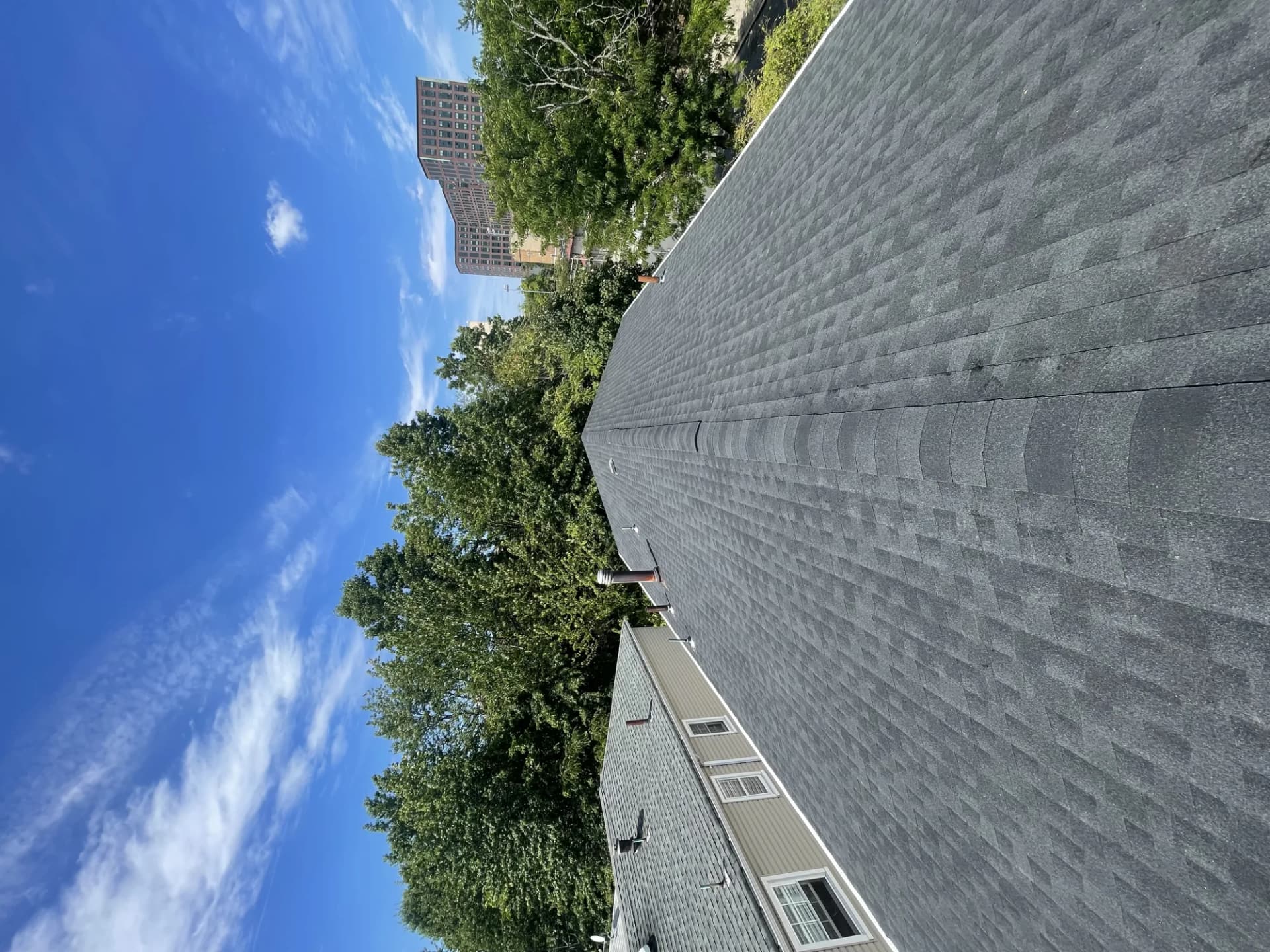
A New Jersey roof can carry a lot of snow, but what stresses a roof is heavy wet snow followed by a refreeze, not the first light dusting. Knowing how much weight is up there, when it becomes a problem, and how to clear it safely helps you avoid both an overload and a costly roof repair caused by clearing snow the wrong way.
This guide explains how snow weight is measured, the warning signs that a roof is overloaded, how to clear snow without climbing onto the roof, and why flat roofs need extra attention.
How Much Does Snow Weigh on a Roof?
A common rule of thumb is that one inch of water in snow form weighs about 5 pounds per square foot. That inch of water equals roughly 10 to 12 inches of fresh, light snow, but only 3 to 5 inches of packed snow, and about 1 inch of solid ice. The same depth of snow can weigh several times more depending on whether it is fresh powder, wet snow, or old snow that has thawed and refrozen.
Roofs are designed with a safety margin for the snow load in their area, so a normal New Jersey storm rarely threatens a sound roof. The risk rises with repeated storms, rain falling on top of snow, drifting against walls and dormers, and roofs that are already aging or weakened by earlier water damage.
| Type of Snow or Ice | Depth That Weighs About 5 Pounds per Square Foot |
|---|---|
| Fresh, light snow | 10 to 12 inches |
| Packed or old snow | 3 to 5 inches |
| Solid ice | About 1 inch |
What Are the Signs a Roof Is Overloaded With Snow?
Watch for changes inside the house, because the structure shows stress there first. If you notice any of the signs below, leave the area under that part of the roof and call a roofer or a structural professional.
- Ceilings or drywall that sag or show new cracks
- Doors or windows that suddenly stick or will not close
- Creaking, popping, or cracking sounds from the roof framing
- A visibly bowed ridge or roofline
- New leaks or water stains while snow is on the roof
How Do I Remove Snow From a Roof Safely?
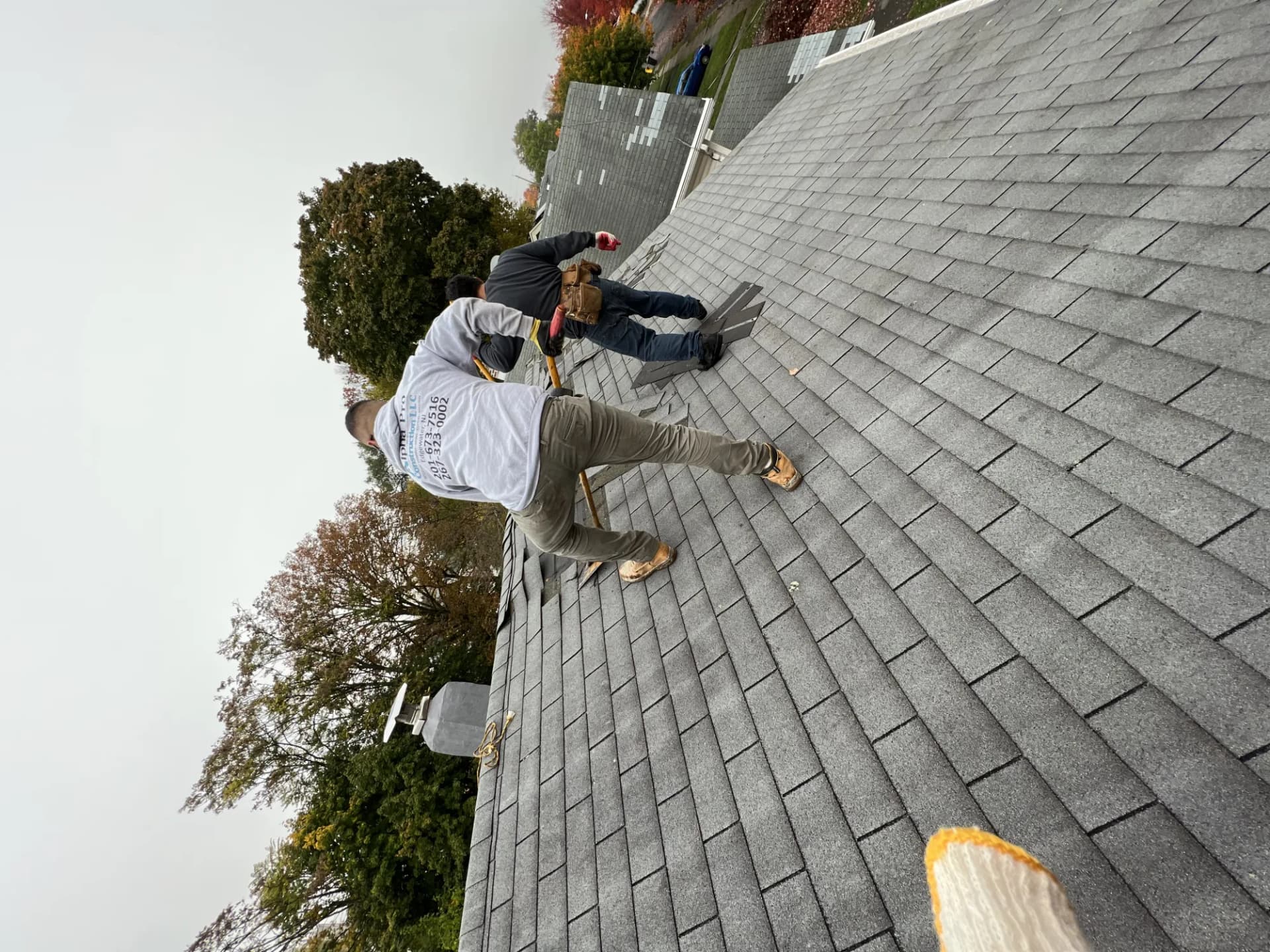
Use a roof rake with an extendable handle from the ground and pull snow down from the first several feet above the eave, which is where ice dams form. Never climb a snowy roof, never use a shovel, hammer, or ice pick on shingles or ice, and stay clear of power lines and of the area below where the snow will fall. Leave a thin layer of snow instead of scraping to bare shingles, since scraping removes the granules that protect them.
For steep roofs, roofs above one story, and flat roofs you cannot reach from the ground, hire a professional. The cost of a service call is small compared with a fall or with torn shingles. Ready.gov’s winter weather guidance has more on preparing a home for heavy snow.
Need a Roof You Can Trust?
Free written estimates and 24-hour emergency service across New Jersey since 2015.
Do Flat Roofs Handle Snow Differently?
Yes. Flat and low-slope roofs hold snow rather than shedding it, so the weight stays on the roof until it melts. Melting snow also ponds when drains and scuppers are blocked by ice or debris, which adds weight and can push water through seams and flashing.
Property owners with a commercial or multi-family flat roof should keep drains clear before winter and check the roof after every major storm. Our guide to commercial roofing for property managers covers inspection schedules in more detail.
How Does Snow Load Connect to Ice Dams and Leaks?
Snow on the roof is the raw material for ice dams. Heat escaping from the attic melts the snow on the upper roof, the water runs down and refreezes at the cold eave, and the ice ridge then holds back meltwater that can back up under the shingles. Our ice dam prevention guide explains the insulation and ventilation fixes that stop the cycle.
That is why clearing the first few feet of snow above the eave with a roof rake is a useful step, and why a leak that appears days after a storm often traces back to ice, not to the storm itself.
What Should I Check After the Snow Melts?
Once the snow is gone, walk the property and look at the roof from the ground. A free roof inspection is worth scheduling if you find any of the following.
- Shingles that are lifted, cracked, or missing
- Gutters that have pulled away from the fascia
- Flashing that has lifted at chimneys, walls, or skylights
- Stains on ceilings or walls that were not there before winter
- Heavy granule buildup in the gutters or at the downspouts
Roof Snow Load and Snow Removal on New Jersey Roofs - FAQs
How Much Snow Is Too Much for a Roof?
There is no single number, because it depends on the roof’s design, age, and condition and on how heavy the snow is. As a guide, an inch of water equivalent weighs about 5 pounds per square foot. Watch for sagging ceilings, sticking doors, and framing noises rather than relying on depth alone.
Should I Remove Snow From My Roof?
Usually only when it is deep, wet, or heavy, or when ice is building at the eaves. Use a roof rake from the ground to clear the first few feet above the eave. Do not climb the roof or chip at ice, and call a professional for steep or flat roofs.
Can Snow and Ice Damage Asphalt Shingles?
Yes, indirectly. Snow weight stresses the roof structure, and repeated freezing and thawing lifts and cracks shingles, especially older ones. Improper snow removal causes just as much damage, since shovels and ice picks strip the protective granules and cut the shingles.
Does Homeowners Insurance Cover Snow Damage to a Roof in New Jersey?
Many policies cover sudden damage from the weight of snow and ice, though terms vary by insurer and policy. Document the damage with dated photos, take reasonable steps to prevent more damage, and contact your insurer promptly to confirm what your policy covers.