Chimney Services in New Jersey
Chimney repair, chimney cleaning, and chimney installation for homes across Bridgewater and New Jersey.
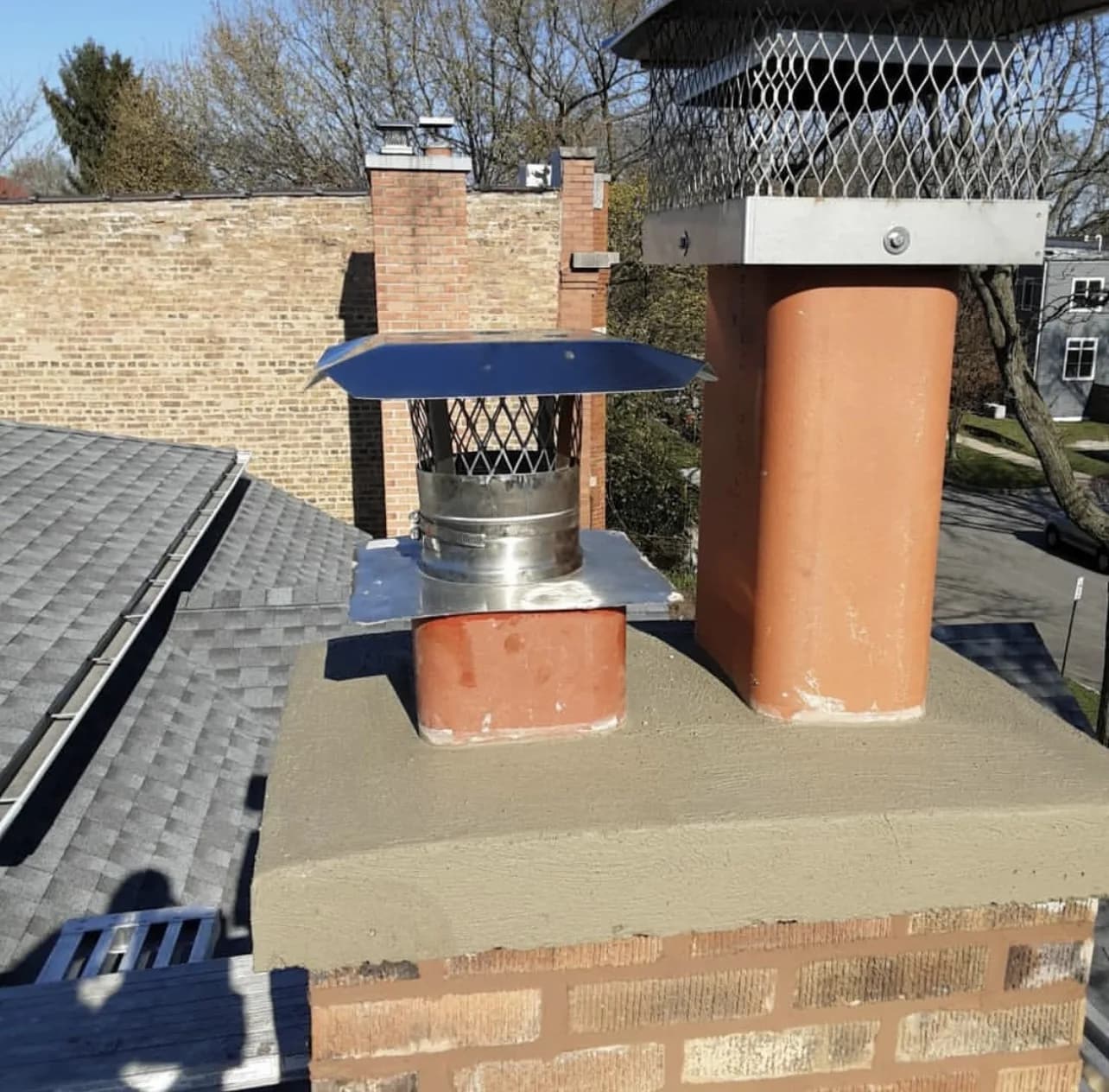
Chimney services in New Jersey keep one of the most weather-exposed parts of your home watertight and safe. Alpha Pro Construction repairs, cleans, and installs chimneys across Bridgewater and the surrounding towns, including crowns, caps, flashing, liners, and full rebuilds.
A chimney is constantly exposed to rain, snow, wind, and the freeze-thaw cycle, with no roof slope to shed water for it. That exposure makes regular inspection and prompt repair far cheaper than waiting until a small problem becomes a structural one.
Because we are roofers as well as masons, we handle the spot where most chimney problems actually start, the flashing where the chimney meets the roof. That means we fix the real source of a leak instead of guessing, and we keep the brick and the roof working together as one watertight system.
Chimney Services We Offer
Why Chimneys Leak in New Jersey
Chimney leaks in New Jersey are almost always about water finding a way in from above, not through the brick face. The usual entry points are a cracked crown, a rusted or missing cap, failing mortar joints, and the flashing where the chimney passes through the roof, and the water often travels down inside the wall before it ever shows as a stain.
New Jersey’s freeze-thaw cycle drives the damage. Water works into hairline cracks in the crown and mortar, freezes, expands, and breaks the masonry apart a little more each winter, which is why a small, inexpensive repair today prevents a far larger one later.
We trace the leak to its actual source and fix that, whether it is rebuilding the crown, replacing the cap, repointing the mortar, or sealing the flashing, rather than smearing sealant over the symptom and hoping it holds.
Signs Your Chimney Needs Repair
A chimney rarely fails all at once; it gives warning signs first. If you notice any of these, an inspection will catch the problem while it is still a small repair rather than a rebuild.
- White, chalky staining (efflorescence) on the brick
- Crumbling, cracked, or missing mortar joints
- Pieces of brick or concrete on the roof or in the yard
- A rusted, damaged, or missing chimney cap
- Damp spots, stains, or a musty smell near the fireplace
- A chimney that looks like it is leaning or pulling away
Chimney Repointing, Liners, and Safety
Chimney repointing, sometimes called tuckpointing or brick pointing, is one of the most common chimney repairs in New Jersey. It removes the cracked, recessed mortar between the bricks and replaces it with fresh mortar matched to the original, restoring both the strength of the chimney and its resistance to water.
Chimney liners and cleaning are the safety side of the same structure. A chimney used for wood burning should be cleaned at least once a year to remove the flammable creosote that causes chimney fires, and a cracked clay liner, or a chimney with no liner at all, is a venting hazard that we correct with stainless steel and other liner systems so the chimney drafts safely and meets code.
A clean, properly lined flue also drafts the way it should, which keeps smoke and carbon monoxide moving up and out instead of back into the house. Even an unused chimney benefits from periodic inspection and cleaning for animal nests, leaves, and masonry debris that can block the flue or trap water against the brick.

Residential and Commercial Chimney Services
Residential chimney services keep the fireplaces and heating flues in New Jersey homes safe, watertight, and drafting properly, from a single crown repair to a full rebuild that matches the existing brick. We work cleanly around your home and explain exactly what the chimney needs and why.
Commercial and multi-family chimney work serves apartment buildings, older homes converted to flats, and mixed-use properties, where a failing chimney can be both a safety liability and a recurring source of leaks for the units below. We provide the inspection, documentation, and scheduling that property managers and owners need to budget and plan the repair.
New Jersey has a lot of older housing stock, and many of those chimneys have gone decades without attention. Whether the chimney is still in use or has been closed off behind a newer heating system, the masonry above the roofline keeps weathering, so we inspect the full structure rather than assuming an unused chimney is no longer a problem.
One Crew for the Chimney and the Roof
Most chimney leaks happen at the flashing, the metal seal where the chimney passes through the roof, and that is exactly the spot a mason-only or roofer-only crew tends to point at the other trade for. Because Alpha Pro handles both the masonry and the roof, we seal the flashing correctly and own the entire repair.
That single-crew approach also matters when a chimney is rebuilt, capped, or removed. We can rebuild and cap a chimney, or take it down to the roofline and seal the roof over where it stood, and either way the roof is left fully watertight. The result is one point of responsibility and no gap where leaks like to hide.
It also saves you time and money. Instead of coordinating a mason and a roofer on separate visits, and paying both, you get one licensed and insured crew that arrives, diagnoses the brick and the flashing together, and completes the repair, backed by our perfect 5.0 rating across 96 Google reviews.
Licensed, Insured, and Warrantied
Before you let a crew onto your property for chimney services, here is exactly who you are hiring. Alpha Pro Construction holds New Jersey Home Improvement Contractor registration #13VH11413900, carries $2,000,000 in general liability insurance and is fully bonded, and backs the work with a written workmanship warranty on every job.
That standard has earned a perfect 5.0 rating across 96 Google reviews, the same whether the job is a same-day repair or a multi-week project.
Chimney Services in New Jersey - FAQs
Why Is My Chimney Leaking?
Most chimney leaks in New Jersey start at the crown, the cap, or the flashing where the chimney meets the roof, not through the brick itself. A proper inspection pinpoints the source so the repair actually stops the water.
How Often Should a Chimney Be Cleaned?
A chimney used regularly for wood burning should be cleaned at least once a year to remove creosote and reduce fire risk. Unused chimneys still benefit from periodic inspection for debris and masonry damage.
How Often Should a Chimney Be Inspected?
A chimney should be inspected at least once a year, ideally before the heating season. An inspection catches crown cracks, failing mortar, flashing leaks, liner damage, and blockages while they are still small, inexpensive repairs rather than major rebuilds.
What Is the Difference Between Repointing and Tuckpointing?
In everyday use the terms are used interchangeably. Both refer to removing cracked, worn mortar from between bricks and replacing it with fresh mortar. On a chimney this restores strength and seals out the water that causes most chimney damage in New Jersey.
Do I Need a Chimney Cap?
Yes, a chimney cap is strongly recommended. It keeps rain, animals, and debris out of the flue and includes a spark arrestor for fire safety. A missing or rusted cap is one of the most common reasons a chimney leaks or develops blockages.
What Is a Chimney Crown and Why Does It Crack?
The crown is the concrete or mortar top of the chimney that sheds water away from the flue and brick. New Jersey freeze-thaw cycles crack crowns over time, which lets water into the chimney. A rebuilt or sealed crown is a common, cost-effective repair that prevents much larger damage.
Licensed New Jersey Roofers Ready to Help
Roofing, chimney, gutter, and masonry work trusted across New Jersey. Installation, repair, replacement, and 24-hour storm response. Tell us about your project and we will call you back with a free, no-pressure estimate.
Call or Text 24/7(267) 323-0002