Blog · Storm Damage
Ice Dam Prevention for New Jersey Roofs - A Homeowner Guide
Every New Jersey winter, roof maintenance in Bridgewater NJ and across Somerset County includes one recurring emergency call, ice dams backing water up under the shingles at the eave. An ice dam forms when heat escaping from the attic melts snow on the upper roof, and that meltwater refreezes into a ridge of ice at the colder eave, where it can force water backward under the shingles and into the house.
Ice dams are not just a snow problem, they are an insulation and ventilation problem that happens to show up as ice. Preventing them means fixing the attic, not just chipping ice off the roof after the fact.
Why Do Ice Dams Form on New Jersey Roofs?
Ice dams form through a specific cycle. Heat from inside the house rises into the attic and warms the underside of the roof deck. That warmth melts the bottom layer of snow on the upper roof, and the meltwater runs down until it reaches the eave, which stays colder because it overhangs the exterior wall. There, the water refreezes into a ridge of ice that grows with each freeze and thaw cycle, eventually damming water behind it that has nowhere to go but under the shingles.
What Causes Attic Heat Loss That Leads to Ice Dams?
Attic heat loss usually traces back to a handful of specific gaps.
- Insufficient or unevenly distributed attic insulation
- Gaps around recessed lighting, bathroom fans, and the attic hatch
- Warm, moist air leaking from living spaces through ceiling penetrations
- Ductwork routed through the attic without proper sealing and insulation
Does Attic Insulation Really Prevent Ice Dams?
Yes, insulation is the single most effective fix. Adequate, evenly distributed attic insulation keeps the roof deck close to outdoor temperature, so snow melts uniformly with the weather rather than being melted from below by escaping heat. New Jersey building code guidance generally calls for higher attic insulation levels than many older homes actually have, which is why upgrading insulation is often the highest-value fix available.
Does Roof Ventilation Prevent Ice Dams?
Proper attic ventilation works together with insulation, not instead of it. A balanced system of soffit intake and ridge exhaust vents keeps a continuous flow of outside-temperature air moving under the roof deck, carrying away any heat that does escape before it can melt snow unevenly.
Need a Roof You Can Trust?
Free written estimates and 24-hour emergency service across New Jersey since 2015.
Does Ice-and-Water Shield Stop Ice Dam Leaks?
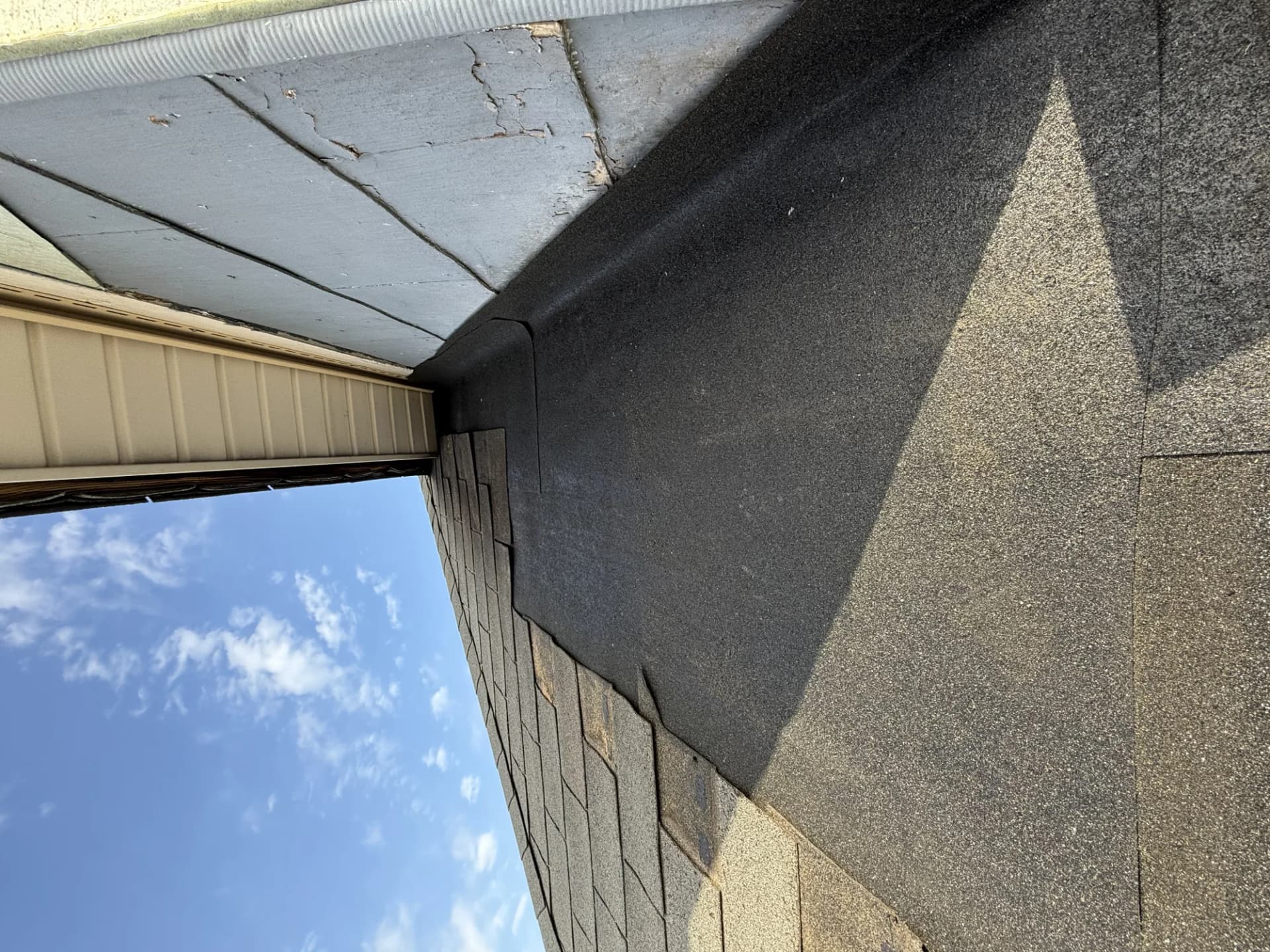
Ice-and-water shield is a self-adhering membrane installed under the shingles at the eaves and valleys, and it is required in the coldest parts of New Jersey building code for exactly this reason. It will not stop an ice dam from forming, but it creates a watertight seal that keeps backed-up meltwater from reaching the roof deck and the interior of the home, even if a dam does form during a severe cold snap.
What Should You Never Do to Remove an Ice Dam?
A few common homeowner responses to ice dams cause more damage than they prevent.
- Never chip or hack at an ice dam with an axe or hard tool, which can puncture the roof
- Avoid climbing onto a snow-covered, icy roof to address it yourself
- Do not use rock salt or ice melt products that can corrode gutters and metal flashing
- Skip a pressure washer on frozen ice, which can force water further under the shingles
Ice Dam Prevention Starts With a Free Winter Roof Inspection
Alpha Pro Construction provides roof maintenance in Bridgewater NJ and across Somerset County, including attic insulation and ventilation assessments that address ice dams at the source rather than just the symptom. Call (267) 323-0002 or request a free winter roof inspection before the next cold snap.
We carry NJ HIC license 13VH11413900 and check ice-and-water shield coverage at the eaves, ventilation balance, and insulation depth as part of every winter-readiness inspection, per guidance from the University of Minnesota Extension on ice dam prevention.
Ice Dam Prevention Checklist for New Jersey Homeowners
A short seasonal checklist catches most ice dam risk before winter arrives.
- Confirm attic insulation meets recommended depth with no gaps or compressed areas
- Verify soffit and ridge vents are clear and balanced, not blocked by insulation
- Seal air leaks around recessed lights, fans, and the attic hatch
- Confirm ice-and-water shield covers at least the first few feet from the eave
- Clean gutters before the first freeze so meltwater has somewhere to go
Ice Dam Prevention for New Jersey Roofs - A Homeowner Guide - FAQs
What Causes Ice Dams on a Roof?
Ice dams form when heat escaping from the attic melts snow on the upper roof, and that meltwater refreezes into a ridge of ice at the colder eave, eventually damming water behind it that can back up under the shingles.
Can Ice Dams Be Prevented Completely?
They can be greatly reduced through proper attic insulation, balanced ventilation, and air sealing, since these keep the roof deck at a uniform, cold temperature so snow melts evenly rather than from below. Ice-and-water shield provides a backup layer of leak protection even if a dam forms.
Is It Safe to Remove an Ice Dam Myself?
Climbing onto an icy roof or chipping at an ice dam is unsafe and can damage shingles. A roof rake used carefully from the ground to remove snow before it can melt and refreeze is a safer preventive step than removing an existing dam.
Does Homeowners Insurance Cover Ice Dam Damage in New Jersey?
Many policies cover sudden interior water damage caused by an ice dam, though coverage varies by insurer and policy. Document the damage and contact your insurer promptly, and address the underlying insulation and ventilation issue so it does not recur.