Blog · Roofing Tips
Fall Roof Maintenance Tips for Northern and Central New Jersey
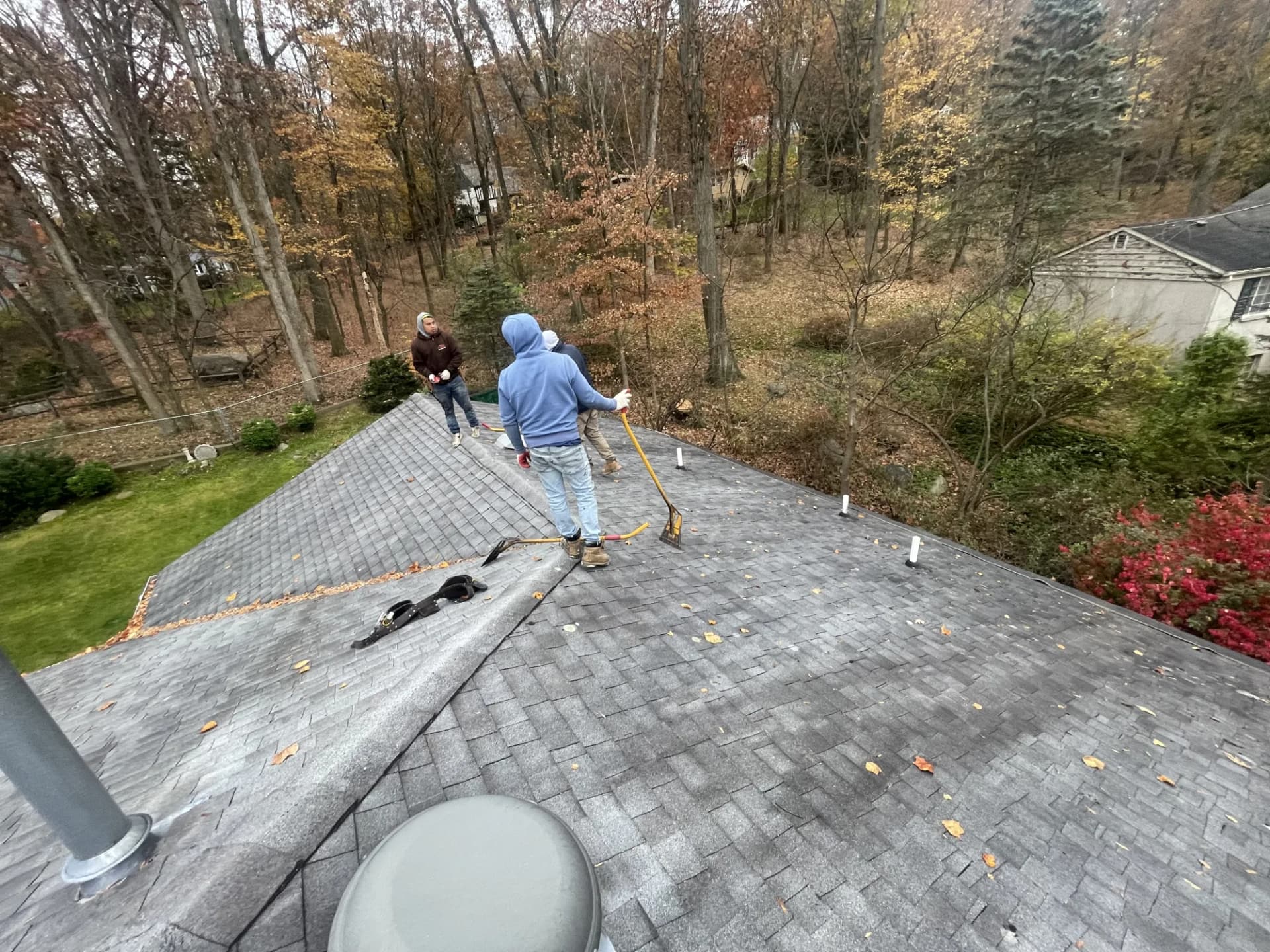
Fall is the last real maintenance window before New Jersey’s winter freeze-thaw cycle starts putting stress on a roof, and homeowners in the state’s heavier tree cover, Morris, Somerset, Union, and Bergen County towns in particular, deal with more leaf drop and gutter clogging risk than shore communities do. A free fall inspection catches what needs attention before the first hard frost.
This checklist covers what to check and when, timed for northern and central New Jersey’s specific mix of oak and maple canopy, early frost, and a heating season that starts sooner than it does further south.
Why Fall Maintenance Matters More in Northern and Central New Jersey
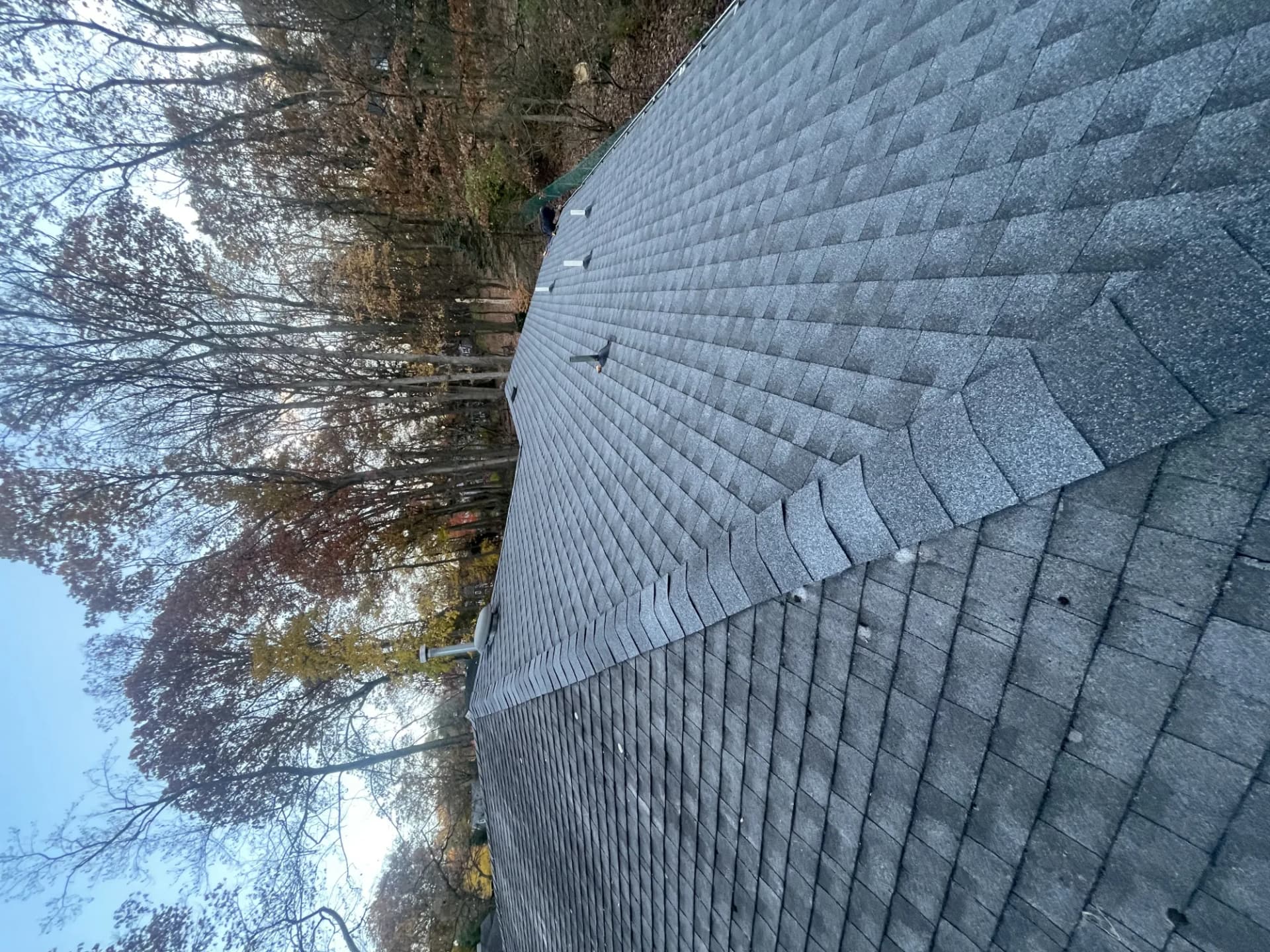
Towns across Morris, Somerset, Union, and Bergen Counties sit under heavier oak and maple canopy than much of the shore, which means more leaf debris landing directly on the roof and in the gutters through October and November. Combined with an earlier first frost than coastal New Jersey typically sees, that gives homeowners here a narrower window to get ahead of it before winter weather sets in.
Clear Gutters After Peak Leaf Drop, Not Before
Clearing gutters too early just means they refill before winter arrives. In most of northern and central New Jersey, peak leaf drop runs through late October into mid-November, so a cleaning scheduled for after most of the leaves are down does more good than one done in early October.
Check Attic Ventilation and Insulation Before the Heating Season
Once the furnace starts running regularly, poor attic ventilation traps heat and moisture against the underside of the roof deck, which accelerates shingle wear from below and sets up conditions for ice dams later in winter. Fall, before the heating season is in full swing, is the right time to check that intake and exhaust ventilation are both clear and functioning.
Need a Roof You Can Trust?
Free written estimates and 24-hour emergency service across New Jersey since 2015.
Fall Roof Checklist
A short list covers most of what actually needs attention before winter.
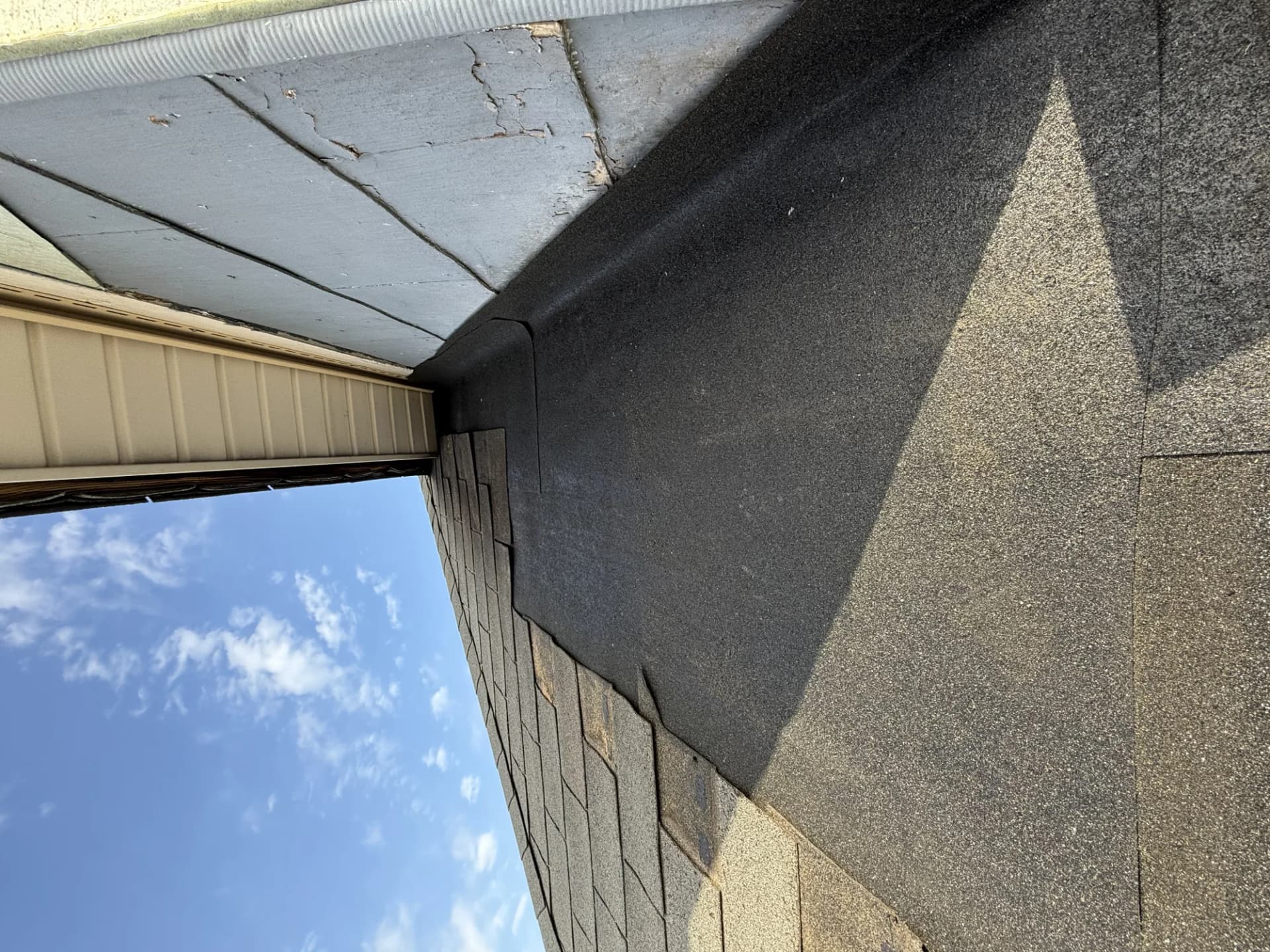
- Inspect flashing around the chimney, vents, and any roof-to-wall junctions
- Look for loose, cracked, or missing shingles from the last season of wear
- Trim tree branches overhanging the roof before ice or snow load adds weight to them
- Clear debris out of roof valleys, where leaves and needles collect and hold moisture
- Check the chimney cap and crown ahead of the heating season
Ice Dam Prevention Starts in the Fall
The ventilation and insulation checks above are not separate from ice dam prevention, they are the same work. Our guide to ice dam prevention on New Jersey roofs covers how trapped attic heat causes the melt-and-refreeze cycle at the eaves, and why fall is when that problem actually gets solved, not January.
Scheduling a Fall Roof Inspection
Alpha Pro Construction provides free fall roof inspections across Bridgewater and more than 130 towns in northern and central New Jersey, checking the items above along with anything specific to your roof’s age and material before winter weather makes small problems bigger ones.
Fall Roof Maintenance Tips for Northern and Central New Jersey - FAQs
When Is the Best Time to Do Fall Roof Maintenance in New Jersey?
Late October through mid-November works well for most of northern and central New Jersey, after most leaves have dropped but before the first hard freeze typically arrives.
Should I Clean Gutters Before or After All the Leaves Have Fallen?
After. Cleaning too early just means the gutters refill before winter, so it is better to wait until most of the leaf drop is finished, typically mid to late November in this region.
Does Fall Maintenance Help Prevent Ice Dams?
Yes. Clearing gutters and checking attic ventilation and insulation in the fall directly addresses the conditions that cause ice dams, trapped heat melting snow that then refreezes at the colder eaves.
How Long Does a Fall Roof Inspection Take?
A typical residential inspection takes 30 to 60 minutes, covering the roof surface, flashing, ventilation, and gutters, followed by a written summary of anything that needs attention before winter.