Blog · Storm Damage
What to Do When Your Roof Is Leaking Right Now - NJ Homeowner Guide
If water is actively coming through your ceiling right now, the priority is limiting damage in the next few minutes, not diagnosing the roof. Move furniture and electronics out of the drip path, place a bucket or container to catch the water, and if the ceiling is bulging, poke a small controlled hole at the lowest point to relieve pressure before it collapses on its own. Once the immediate damage is contained, call for emergency roof repair so a professional can find the source before the next round of rain.
A roof leak during an active storm in New Jersey is rarely simple to trace from inside the house, since water travels along rafters and sheathing before it shows up on the ceiling, often several feet from where it actually entered the roof. Knowing what to do in the first hour, and what to avoid, keeps a bad situation from becoming a much more expensive one.
What to Do in the First 10 Minutes of a Roof Leak
Speed matters more than diagnosis in the first few minutes. Focus on containing the water and protecting what is in its path before worrying about the roof itself.
- Move furniture, electronics, and rugs out from under the drip
- Place a bucket or trash can under the leak, and a towel to catch splashing
- If the ceiling is bulging with trapped water, puncture the lowest point with a screwdriver to release it in a controlled way
- Shut off power to any light fixture or outlet near the leak if you can safely reach the breaker
- Take a few photos before you clean anything up, for insurance purposes
Should You Go Up on the Roof During a Storm?
No. Climbing onto a wet, windy roof during active weather is one of the most dangerous things a homeowner can do, and it will not stop the leak anyway since the source is rarely obvious from above during a storm. Wait until the weather clears, or let a professional with proper harnessing handle it.
Where Does Roof Leak Water Actually Come From?
Water almost never enters directly above where it appears on your ceiling. It typically enters at a flashing point, a valley, a vent boot, or a damaged shingle, then travels along the rafters or sheathing before dripping at the lowest point it can find, which might be several feet away or even on a different side of the attic.
This is why a homeowner attempting to patch the ceiling stain from inside almost never actually stops the leak, and why a proper inspection from the attic and the roof surface is needed to find the real entry point.
How Do You Temporarily Stop a Roof Leak From Inside?
If you can safely access the attic, a tarp or plastic sheeting placed over the suspected area of insulation can redirect water into a container rather than through the ceiling below. This is a stopgap only, meant to buy time until a roofer can access the exterior safely, not a fix for the actual damage.
Need a Roof You Can Trust?
Free written estimates and 24-hour emergency service across New Jersey since 2015.
When Should You Call an Emergency Roofer Instead of Waiting?
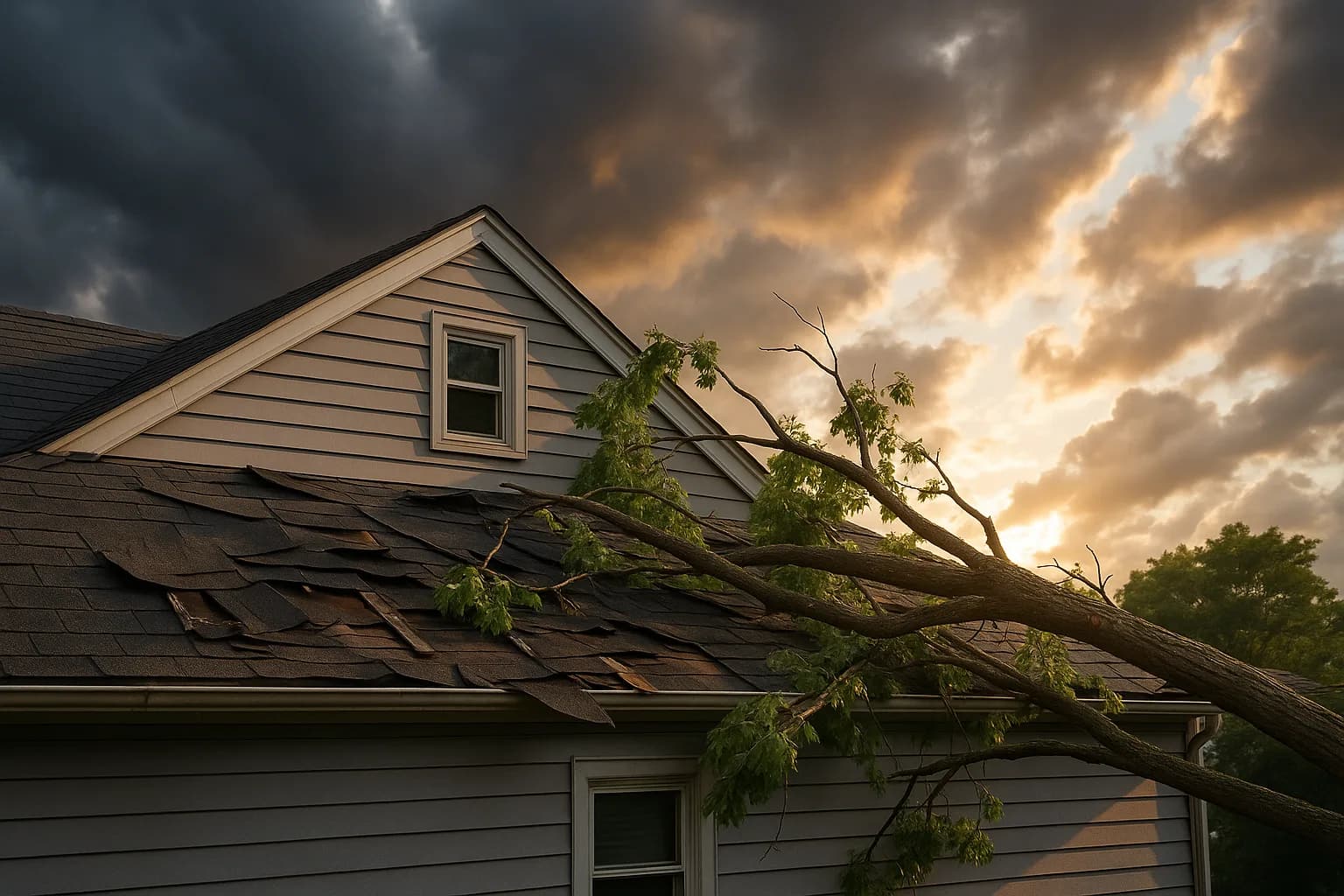
Call immediately, day or night, if water is entering faster than a bucket can manage, if the ceiling shows signs of sagging or structural stress, or if the leak follows major storm damage such as missing shingles or a fallen tree limb. A same-day tarp-over or temporary seal can prevent thousands of dollars in additional interior damage while a full repair is scheduled.
What Should You Photograph for an Insurance Claim?
Documentation taken during and right after the leak strengthens any insurance claim you file later.
- The ceiling stain or active drip, with a timestamp if your phone shows one
- Any visible exterior damage such as missing shingles, a fallen branch, or damaged flashing
- Standing water or damage to flooring, furniture, or belongings
- The bucket or containment method you used, which shows you acted to limit damage
Getting Emergency Roof Repair in New Jersey
Alpha Pro Construction provides 24-hour emergency roof repair across Bridgewater, Somerset County, and the surrounding region, including temporary tarping to stop active leaks and full storm damage repair in Bridgewater NJ once the weather clears. Call (267) 323-0002 any time, day or night.
We carry NJ HIC license 13VH11413900 and document every emergency call with photos, which helps homeowners filing an insurance claim for storm-related roof damage.
How to Prevent the Next Roof Leak
Most emergency leaks trace back to a problem that existed for months before the storm exposed it.
- Schedule a roof inspection each spring and fall, especially before New Jersey nor'easter season
- Clean gutters regularly so water does not back up under the shingles at the eaves
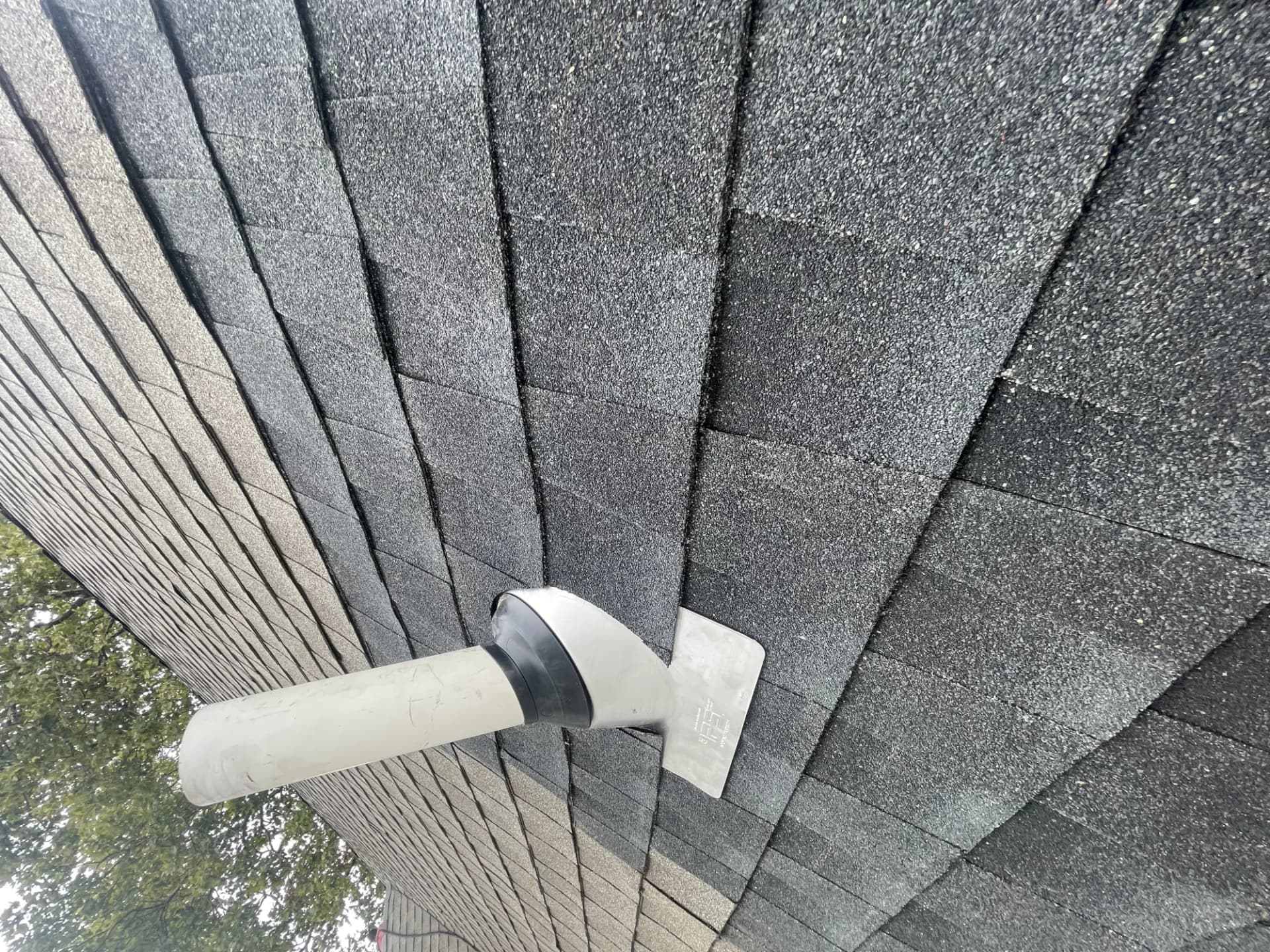
- Repair small issues, like a cracked pipe boot or lifted shingle, before they become active leaks
- Trim tree limbs that hang over or near the roof
What to Do When Your Roof Is Leaking Right Now - NJ Homeowner Guide - FAQs
What Do I Do First If My Roof Is Leaking During a Storm?
Move belongings out of the drip path, place a container to catch the water, and release any bulging ceiling water in a controlled way with a small puncture at the lowest point. Call for emergency roof repair once immediate damage is contained.
Can I Go on My Roof to Check a Leak During Rain?
No. A wet, windy roof during a storm is too dangerous to access, and the leak source is rarely visible from above anyway during active weather. Wait for a professional or for the storm to clear.
How Fast Can an Emergency Roofer Get to My House in New Jersey?
Many emergency roofers, including Alpha Pro Construction, can respond same-day for active leaks, often within a few hours depending on storm volume and your location within the service area.
Will a Tarp Really Stop a Roof Leak?
A properly installed emergency tarp can stop or significantly reduce water entry as a temporary measure, buying time until a full repair is scheduled. It is not a permanent fix and should be followed by a proper inspection and repair.