Blog · Storm Damage
What to Do After Storm Damage to Your New Jersey Roof
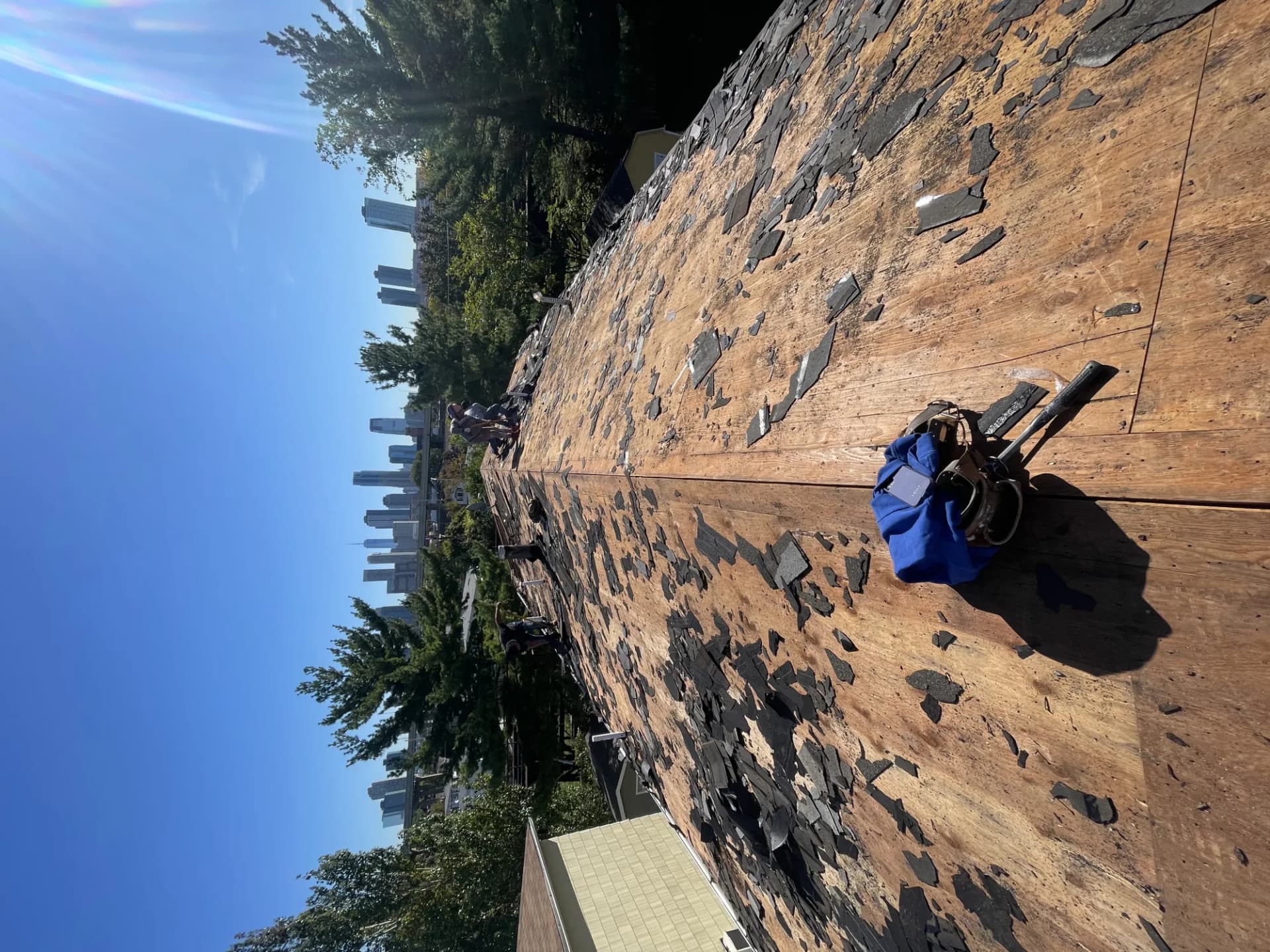
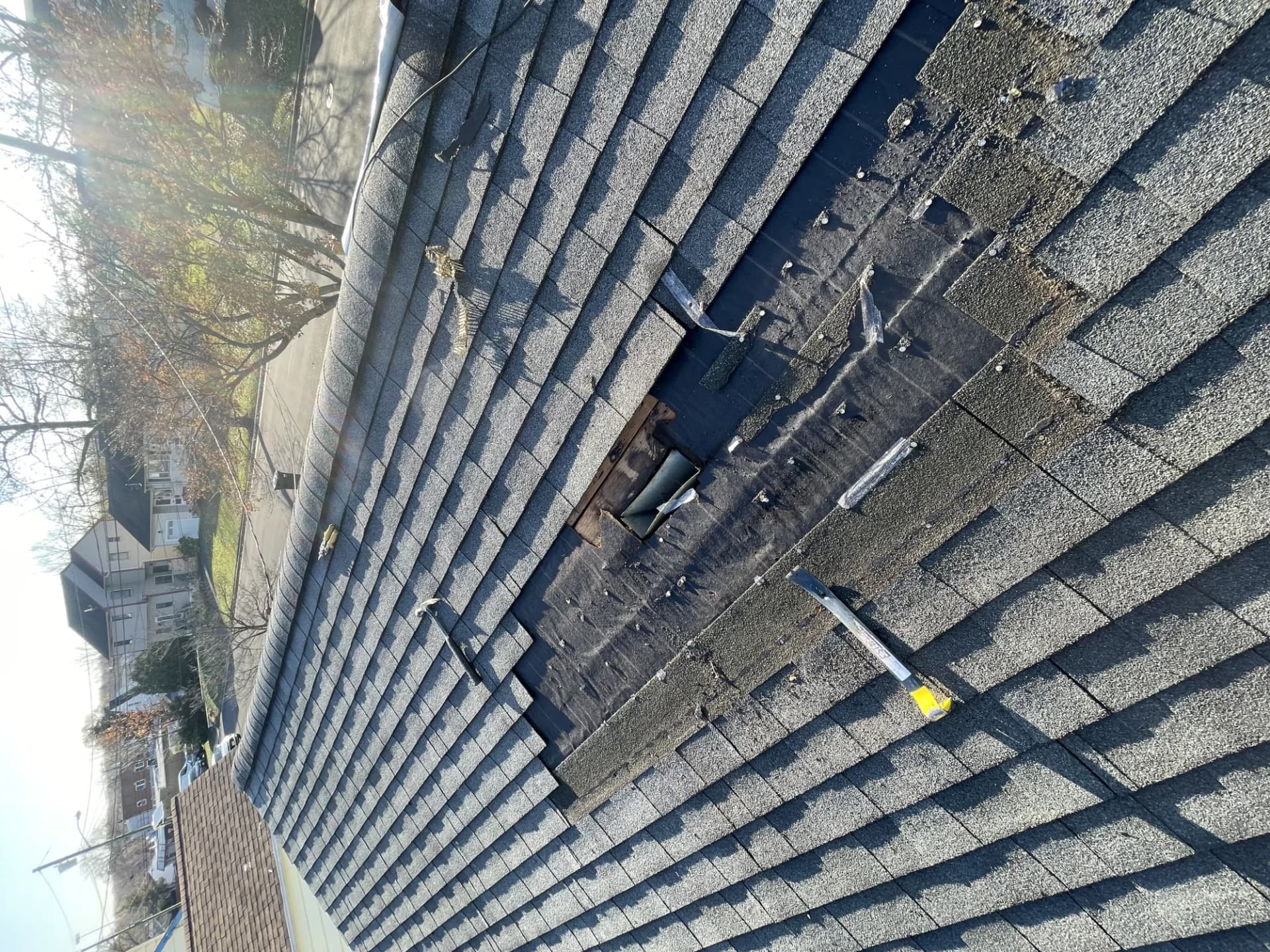
When a nor’easter or summer storm tears at your roof, the hours that follow matter. Acting quickly limits the water damage and protects your insurance claim, while waiting lets a small problem soak into the ceilings below. If your roof is actively leaking, emergency storm damage repair in Bridgewater and tarping come first, and the rest of this guide walks through the steps in order.
The goal is simple: stay safe, stop the water, document everything, and bring in a professional before you commit to permanent repairs. Here is exactly how to do that after a New Jersey storm.
Step 1: Stay Safe and Stay Off the Roof
A storm-damaged roof is not the place to play inspector. Wet, steep, and possibly weakened decking is dangerous, and downed power lines or loose limbs make it worse. Keep everyone off the roof and out from under sagging ceilings.
From the ground, do a quick walk around the house to spot obvious damage and any immediate hazards. Anything that needs a ladder or a roof can wait for a professional with the right safety equipment.
Step 2: Stop the Water Inside
If water is coming through the ceiling, contain it. Move furniture and electronics clear, put down buckets and towels, and if a ceiling is bulging with trapped water, a small hole at the low point lets it drain in a controlled way instead of collapsing.
Containing the water indoors buys time, but it does not fix the source. The next priority is stopping the water at the roof, which usually means a professional tarp.
Step 3: Call for Emergency Tarping
An emergency tarp is a temporary cover that stops water from entering until a permanent repair can be done in dry conditions. It is the single most important step for limiting damage, and it is best left to a contractor who can do it safely and secure it properly.
A roofer who answers the phone around the clock can usually tarp an active leak the same day. Stopping the water fast is what keeps a roof repair from turning into a roof-plus-ceiling-plus-insulation rebuild.
Step 4: Document Everything for Your Claim
Before any cleanup, photograph everything. Take wide shots of the house and close-ups of the damage, both outside and the interior water stains, and note the date and time. If you have older photos of the roof in good condition, set them aside as a before comparison.
Good documentation is what gets an insurance claim approved for the full scope of the damage rather than only the part that is easy to see. A professional roof inspection adds photographs and a written assessment that carry weight with an adjuster.
Step 5: File Your Insurance Claim
Most homeowners policies cover sudden storm damage such as wind and hail. Call your insurer, open a claim, and ask what your policy requires. Keep a simple log of every call, name, and claim number.
A reputable roofing contractor will meet your adjuster on site, walk the roof with them, and provide a detailed estimate so the assessment reflects the real damage. Be wary of anyone who offers to waive your deductible, which is illegal in New Jersey and a sign of a scam.
Step 6: Get the Permanent Repair Done Right
Once the claim is moving and conditions are dry, the permanent repair or replacement happens. This is the time to confirm the full scope, choose your materials, and make sure the flashing, underlayment, and ventilation are addressed, not just the visible shingles.
Storm damage is also a chance to fix the weak points that let the water in. A roof rebuilt correctly after a storm is more resilient than the one that failed.
Need a Roof You Can Trust?
Free written estimates and 24-hour emergency service across New Jersey since 2015.
Common Signs of Roof Storm Damage
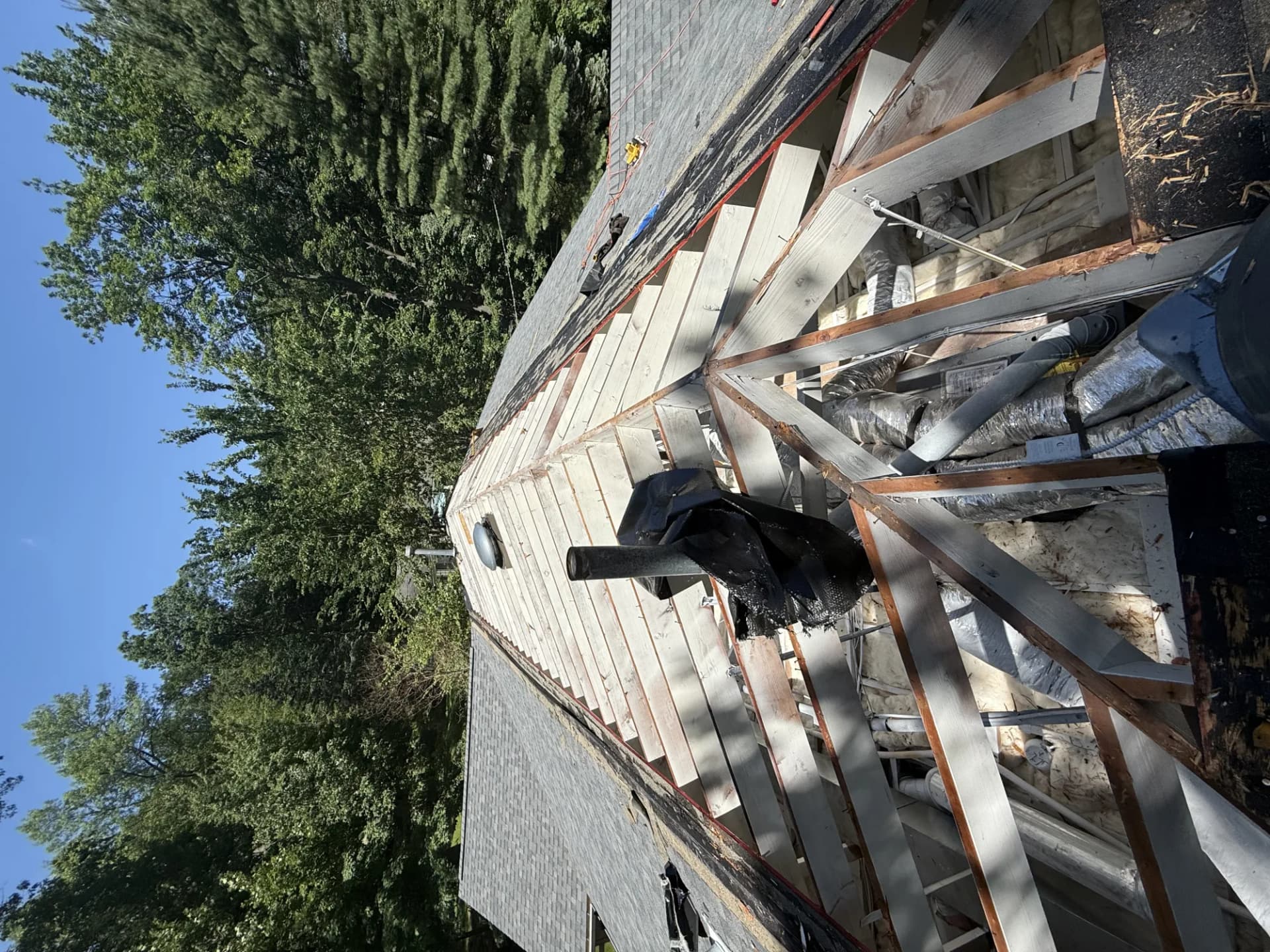
- Shingles, tabs, or whole sections missing from the roof
- Creased, curled, or lifted shingles after high winds
- Dents or bruising on shingles, vents, and flashing from hail
- Shingles or granules washed into the gutters and yard
- Bent or torn-loose gutters, leaders, and fascia
- New water stains on ceilings or in the attic
Avoid Storm-Damage Repair Scams
Storms bring out scammers along with legitimate help. The most common red flag is an offer to waive or absorb your insurance deductible, which is illegal in New Jersey and a sign the contractor plans to inflate the claim or cut corners. Be equally wary of anyone demanding a large cash deposit up front, pressuring you to sign immediately, or unable to show a New Jersey license number and proof of insurance. Our full guide to roofing contractor red flags and storm chasers in New Jersey covers this pattern in detail, since traveling crews specifically target neighborhoods right after a storm.
Legitimate storm repair follows a clear, unhurried process. The contractor inspects and documents the damage, meets your adjuster, provides a written estimate, and only then schedules the permanent work. You should never feel rushed into signing in a driveway while the storm debris is still on the lawn.
It also helps to know when storm damage crosses from repair into replacement. Scattered missing shingles and isolated flashing damage are repairs. Widespread hail bruising, large torn sections, or damage on a roof already near the end of its life often makes a full replacement the smarter use of an insurance payout.
Through all of it, keep your own records. Save the photographs, the claim number, every estimate, and the names and dates of everyone you speak with at the insurer and the roofing company. Organized documentation is what keeps a claim moving when an adjuster is slow, and it gives you recourse if the work or the payout falls short of what was agreed. A folder or a phone album is enough; the point is that nothing depends on memory.
Emergency Storm Damage Repair in Bridgewater, NJ
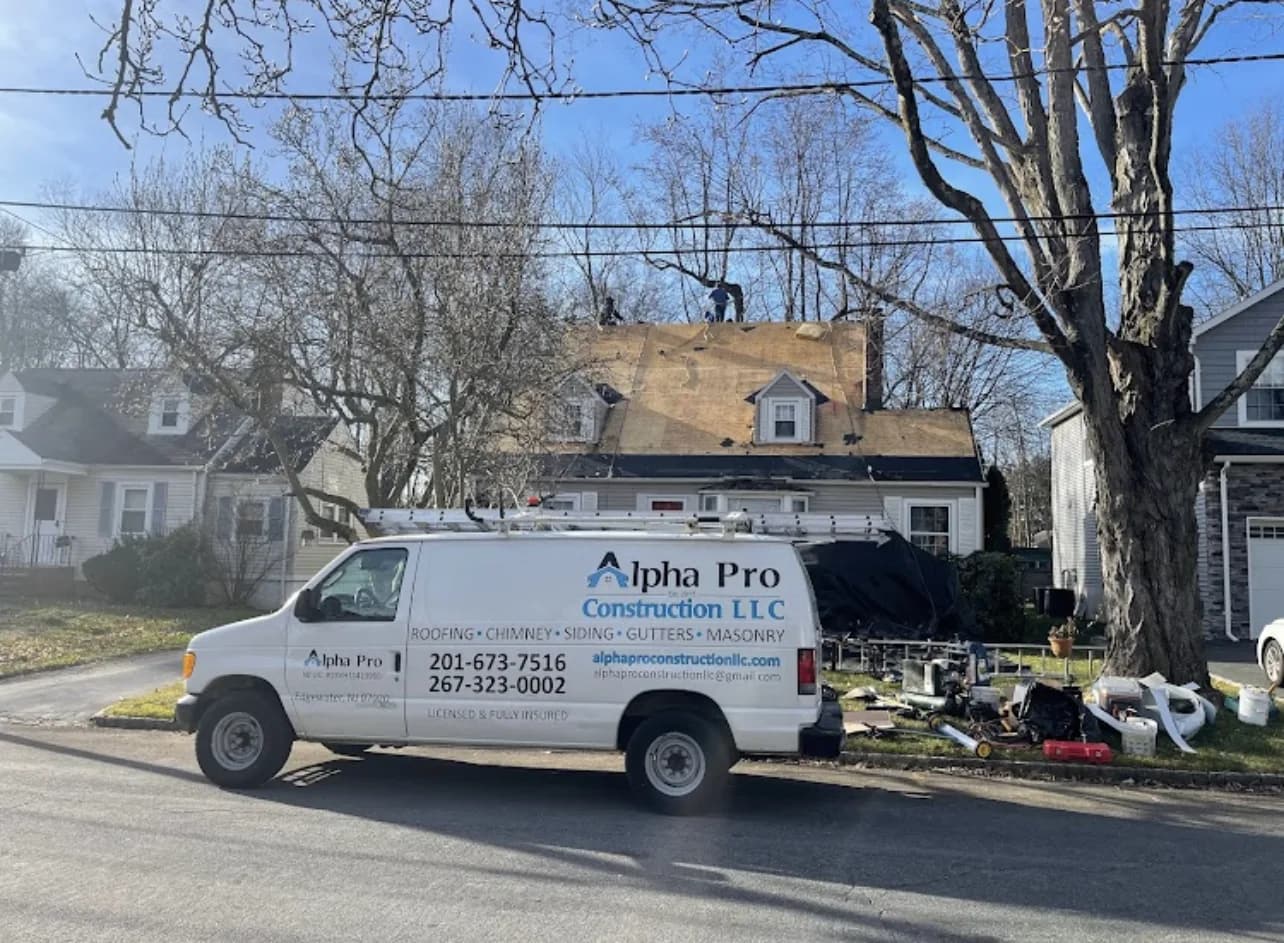
When a storm hits Bridgewater or the surrounding Somerset County towns, every hour counts. Alpha Pro Construction provides emergency storm damage repair in Bridgewater around the clock, with same-day tarping to stop active leaks, followed by roof repair in Bridgewater or a full replacement once the claim is moving. We start with a documented roof inspection that gives your adjuster the evidence they need.
Because we are based in Bridgewater, we are usually on site fast after a local storm, while out-of-state companies are still arriving. Stopping the water early is the single biggest factor in how much a storm ends up costing you.
Wind, Hail, and Falling-Limb Damage
Different storms damage a roof differently. High winds lift and tear shingles and break the watertight seal even where shingles stay attached. Hail bruises the surface and knocks off the protective granules, shortening the roof’s life in ways that are hard to see from the ground.
Falling limbs and wind-driven debris add puncture and impact damage, and the same storm often tears at the gutters. Knowing which force caused which damage helps both the repair and the insurance claim, which is why a full inspection beats a quick glance. We also handle the gutter repair that storms so often require.
Flat roof storm damage shows up differently than it does on a pitched shingle roof, and it is often less visible from the ground. Ponding water that overwhelms a drain, a membrane punctured by wind-blown debris, or a seam pulled loose at the parapet can all let water in without a single missing shingle to signal it, which is why a flat or low-slope roof deserves the same post-storm inspection as a pitched one.
Preventing the Next Storm’s Damage
Some storm damage is unavoidable, but a sound roof loses far less to it. The weak points storms exploit, lifted shingles, worn flashing, and clogged gutters, are the same ones routine roof maintenance catches and fixes before the wind finds them.
After the repair, a yearly inspection and a clear gutter system are the cheapest storm insurance you can buy. A roof that is in good shape going into a New Jersey storm season is one that comes out of it with a repair bill instead of a replacement.
If you are not sure where your roof stands going into the season, a quick pre-storm check is worth it. We look at the shingles, the flashing, and the gutters, flag anything the next big wind would find, and fix it on the spot or give you a written estimate, so a storm becomes an inconvenience rather than an emergency.
What to Do After Storm Damage to Your New Jersey Roof - FAQs
What Should I Do First After Roof Storm Damage?
Stay safe and stay off the roof, then contain any water inside the house. If the roof is actively leaking, call for emergency tarping to stop the water. Once it is stopped, photograph the damage, file your insurance claim, and schedule the permanent repair.
Will My Insurance Cover Storm Damage to My Roof?
Most homeowners policies cover sudden storm damage such as wind and hail. Document the damage thoroughly, file promptly, and have a roofing contractor meet your adjuster on site so the claim reflects the full scope. Your contractor handles the roof; you file with your insurer.
How Quickly Should Storm Damage Be Repaired?
Stop active leaks immediately with a tarp, since every hour of water intrusion adds to the damage. The permanent repair is scheduled once the claim is moving and conditions are dry, but the temporary cover should go up the same day when possible.
Is It Safe to Inspect My Own Roof After a Storm?
No. A wet, possibly weakened roof with downed limbs or power lines nearby is dangerous. Inspect what you can from the ground and leave the roof itself to a professional who has the safety equipment to assess the damage without getting hurt.