Blog · Roofing Tips
What to Ask a Roofing Contractor Before You Sign a Contract
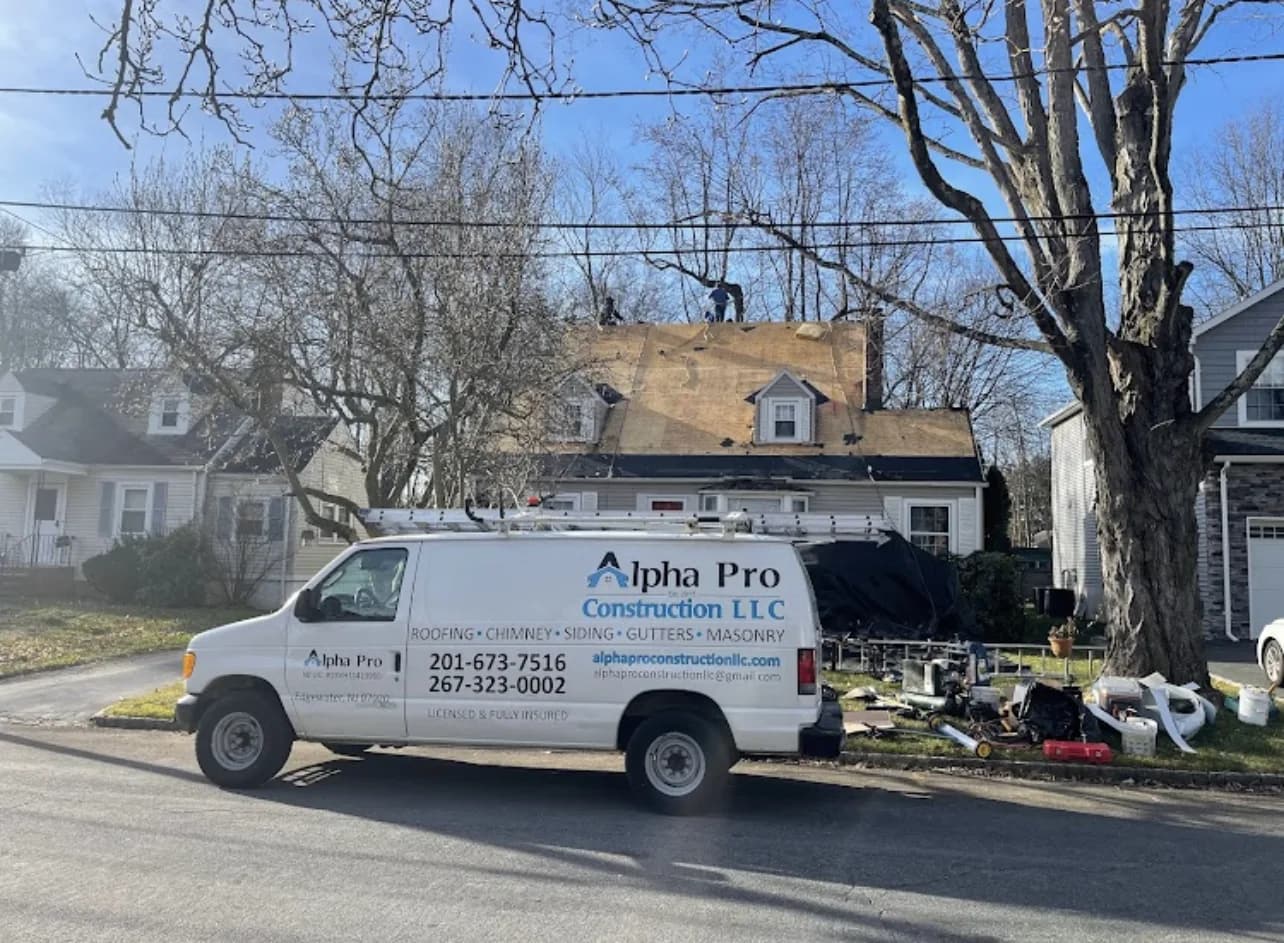
Once a contractor is standing in your driveway ready to write up a roof replacement in Bridgewater or anywhere else in New Jersey, the estimate visit becomes your best chance to vet them face to face, not just on paper. The questions below take about fifteen minutes to ask and tell you more about a contractor than a stack of online reviews ever will.
Bring this list to your next estimate and pay as much attention to how directly a contractor answers as to what they actually say. Hedging, vague responses, or pressure to skip a question are answers in themselves.
Are You Licensed and Insured, and Can I See Proof Right Now?
Do not accept a verbal yes. Ask to see the NJ HIC license number, formatted as 13VH followed by digits, and a certificate of insurance on the spot. If you have not already looked into how to verify a roofing contractor’s reviews and reputation, this is the same license check that guide walks through in more detail.
A contractor who has these documents ready, or can send them within the hour, is operating in a different category than one who promises to email proof later and never does.
Will You Pull a Permit for This Job?
Most New Jersey roof replacements require a building permit, and the estimate should say plainly who is responsible for pulling it, the contractor or you. New Jersey’s Division of Consumer Affairs outlines contractor obligations around permits and written contracts as part of its home improvement contractor requirements.
A contractor who tries to talk you out of a permit is either avoiding inspection scrutiny or is not confident the work will pass it. Neither is a reason to skip this question.
What Exactly Is Included in This Price?
Ask for a line-item breakdown, not a single number. That means the tear-off scope and number of layers being removed, underlayment type, ice-and-water shield placement, flashing replacement, ventilation components, cleanup, and a magnet sweep for stray nails.
A quote with no breakdown is a quote you cannot compare against a second bid. If two estimates differ by a few thousand dollars, the itemized list is usually where the real difference is hiding.
Who Is Actually Doing the Work, Your Crew or a Subcontractor?
Ask this directly. Some companies sell the job in your living room and then hand the actual installation to a rotating subcontractor crew you never met or vetted.
That is not automatically disqualifying, but you deserve to know who will be on your roof and who is accountable if something goes wrong partway through the job.
What Is the Manufacturer Warranty vs Your Workmanship Warranty?
These are two separate protections. The manufacturer warranty covers defects in the shingles or materials themselves, while the workmanship warranty covers the quality of the installation, and you want both stated in years, in writing.
Ask specifically what voids each one. Improper attic ventilation, for example, can void a manufacturer’s shingle warranty even when the materials themselves were installed correctly, which is a detail a lot of homeowners never hear until it matters.
How Will You Protect My Property During the Job?
Ask about landscaping, siding, gutters, and the driveway specifically: tarps or plywood over plantings, a plan for the dumpster placement, and a magnetic nail sweep of the yard when the job wraps up.
A contractor who has done this hundreds of times will have a clear, specific answer ready. A shrug or a vague "we’ll be careful" is a preview of how your property will actually be treated.
Need a Roof You Can Trust?
Free written estimates and 24-hour emergency service across New Jersey since 2015.
What Happens If You Find Rotted Decking Once Tear-off Starts?
Finding some rotted sheathing once the old roof comes off is common and not a red flag by itself. What matters is the process: ask how it gets documented with photos, what the per-sheet replacement cost is, and whether they call you before proceeding rather than after.
A contractor who cannot answer this clearly is a contractor who might surprise you with added charges once your roof is already torn open and you have no real leverage to push back.
How Long Will the Job Take, and What Is the Rain Plan?
Ask for a realistic timeline and what happens if weather moves in mid-project, a real possibility on a New Jersey roof replacement. The roof deck should be dried in and protected at the end of every work day, not left exposed overnight.
A contractor with a clear rain contingency has managed this before. One who has not thought about it is telling you something about how the rest of the job will be planned.
Does Every Crew Member on My Roof Have Workers Compensation Coverage?
General liability insurance is not the same protection as workers compensation, and homeowners frequently confuse the two. General liability covers property damage the crew might cause. Workers compensation covers a crew member injured on the job, and without it, an injury on your roof can expose you personally to the medical costs.
Ask specifically whether workers compensation covers every person who will be on the roof, including any subcontracted crew, not just the company’s direct employees. A certificate of insurance should list both coverages by name, and a contractor should be able to produce it without hesitation.
What Brand and Product Line of Shingles Will You Actually Install?
A vague answer like "architectural shingles" or "top-quality materials" tells you nothing you can verify. Ask for the manufacturer and specific product line by name, for example a named GAF or Owens Corning line, since the exact product determines the wind rating, the algae resistance, and which manufacturer warranty actually applies to your roof.
Once you have the product name, you can look up its published specifications yourself and confirm the estimate matches what actually gets installed, rather than discovering a substitution after the crew has already left.
Can You Give Me References From Recent Local Jobs?
Ask for the addresses or contact information of two or three recent projects in your town or a nearby one, not a hand-picked testimonial page on the company website. A contractor confident in their work will connect you with a past customer directly, or point you to a specific completed job you could plausibly drive past.
A company that has genuinely done the work has this information ready immediately. Hesitation, or an offer to "follow up later" with references, is worth noting alongside everything else on this list.
Can I Get All of This in Writing Before I Sign?
Every answer above should end up in a written, itemized contract, not a verbal promise made standing in your driveway. If a contractor resists putting any of it in writing, treat that as the clearest red flag on this entire list.
Once you have these answers, request a free estimate and compare them against a second contractor using our complete guide to choosing a roofing contractor in New Jersey and our roofing services overview, so you are comparing full scopes rather than just a bottom-line number.
What to Ask a Roofing Contractor Before You Sign a Contract - FAQs
Should I Pay a Large Deposit Before Work Starts?
A reasonable deposit tied to material ordering is normal, but a demand for a large upfront payment before any materials have been delivered is a common warning sign. Ask for a staged payment schedule tied to actual project milestones instead, and get it in writing as part of the contract.
What if a Contractor Refuses to Put the Estimate in Writing?
Walk away. A written, itemized estimate protects both sides and is standard practice for any established roofing contractor. A refusal to provide one in writing, after agreeing to it verbally, usually means the final bill will not match what was discussed.
Do I Need a Permit for a Roof Replacement in New Jersey?
Most roof replacements in New Jersey require a building permit, though requirements can vary by municipality. Ask your contractor directly who is responsible for pulling it, and confirm the answer with your local building department if you are unsure.
What Voids a Roofing Manufacturer’s Warranty?
Common causes include improper attic ventilation, installation that does not follow the manufacturer’s specifications, and using unapproved underlayment or accessories with a shingle line that requires a matched system for its full warranty to apply. Ask your contractor to explain this before the job starts, not after.