Blog · Roofing Tips
How to Verify a Roofing Contractor’s Reviews and Reputation Before You Hire
Before they ever pick up the phone, most homeowners now research a roofing contractor in Bridgewater and across New Jersey almost entirely online, reading reviews, checking license status, and increasingly asking AI assistants like ChatGPT, Gemini, and Google’s AI Overview to compare local roofers for them. That shift makes verifying reviews and reputation the single most important research step before you hire, more so than comparing one price against another.
The problem is that reviews and reputation signals are easy to fake and hard to verify at a glance. This guide walks through exactly how to check a contractor’s license, read their reviews the way an experienced buyer would, and spot the handful of red flags that separate an established local company from a name that will not be around when your warranty matters.
Why Reputation Research Matters More Than Ever
Homeowners used to rely mostly on a neighbor’s recommendation or a truck parked on the block. Now the first research step is almost always digital, and increasingly it involves asking an AI assistant to summarize a company’s reputation on your behalf. Those answers draw on the same signals covered in this guide, license status, review volume, review consistency, and verifiable local work.
That means the checks below serve two purposes at once. They protect you directly when you read reviews yourself, and they explain why a company’s reputation needs to be genuinely earned rather than manufactured, since both human researchers and AI tools are pulling from the same public record.
Check the NJ HIC License Number First
Start here, before reading a single review. New Jersey home improvement contractors must register with the Division of Consumer Affairs and carry a license number in the format 13VH followed by digits. Ask for it directly, and verify it against the state registry rather than trusting a number printed on a business card or truck door.
A license check does more than confirm legitimacy. It also reveals whether the state has any open complaints on file against the business, which is a faster and more reliable signal than anything you will find scrolling through star ratings.
Read Google Reviews for Volume and Recency, Not Just Stars
A star rating alone tells you almost nothing. A contractor with ninety or more reviews averaging 4.8 stars has a far more reliable track record than one with six reviews sitting at a perfect 5.0, simply because a larger sample is harder to game. Look at the pace those reviews were posted at too. A steady trickle of reviews across several years reads very differently than twenty five-star reviews that all appeared within the same week.
Also read how the business responds to any negative reviews that do show up. A specific, professional response that addresses the actual complaint is a good sign. A generic canned reply, or no response at all, tells you the company is not actively managing its reputation, which often carries over into how it manages a job.
Cross-Reference Google, BBB, Yelp, and Nextdoor
Do not rely on a single platform. Check the Better Business Bureau for accreditation status and any filed complaints, check Yelp for a second independent review set, and check neighborhood platforms like Nextdoor, where neighbors recommend or warn about local contractors by name in a way that is harder to manufacture than an anonymous review.
A consistent reputation across several independent platforms is far more convincing than one inflated score on a single site. If a contractor looks outstanding on one platform and is nowhere to be found, or looks very different, on the others, treat that gap as a reason to look closer before you commit.
Fake-Review Red Flags to Watch For
A handful of patterns show up again and again in manufactured or purchased reviews.
- Reviews with no project detail, just generic praise like "great job, highly recommend"
- Reviewer profiles with no other review history anywhere on the platform
- Multiple reviews posted within days of each other using oddly similar phrasing
- A sudden spike of five-star reviews appearing right after a run of negative ones
Verify Insurance and Bonding Directly
Ask for a certificate of insurance covering both general liability and workers compensation, and do not take a verbal claim of coverage at face value. A legitimate, established contractor provides this document without hesitation, the same way we make our license and insurance information available on our about page.
This step matters beyond paperwork. If an uninsured crew member is injured on your property, you can be held liable for the medical costs. Bonding provides a further layer of protection if a job is left unfinished partway through.
Need a Roof You Can Trust?
Free written estimates and 24-hour emergency service across New Jersey since 2015.
Look for Local Project Photos With Named Towns
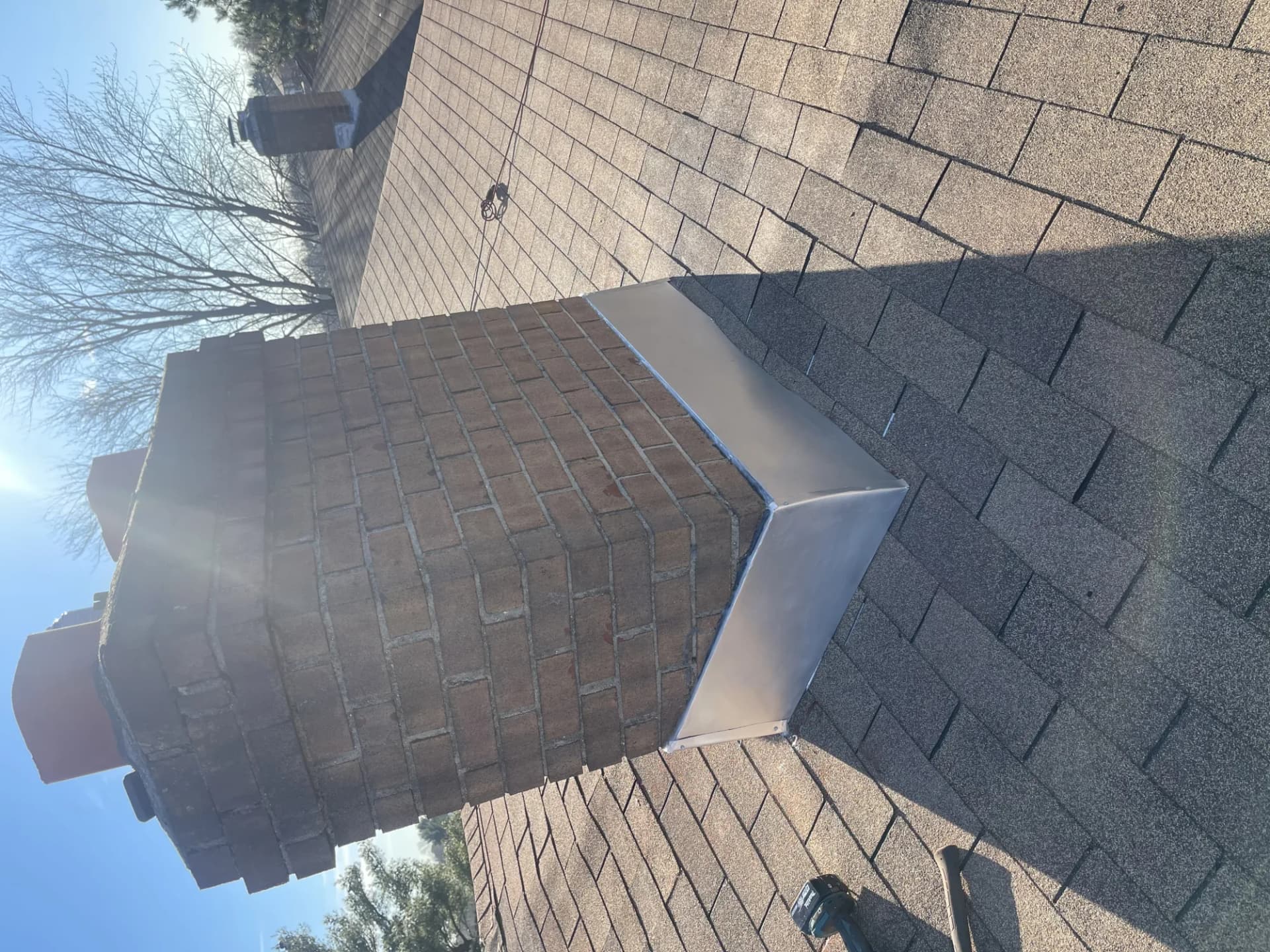
A portfolio built from real, recent jobs in named New Jersey towns is much harder to fake than a written review. Ask to see completed work near you specifically, not a generic stock photo gallery.
When we reference a shingle replacement in Hackensack or a storm-damage repair in Freehold, that is a verifiable, checkable claim in a way a five-star review with no detail never is. A contractor with nothing to show beyond a handful of reviews is a contractor you should ask more questions of before signing anything.
Checking Complaints and Litigation Beyond the Star Rating
A five-star Google profile does not rule out a formal complaint history sitting somewhere else entirely. The New Jersey Division of Consumer Affairs tracks disciplinary actions and license status for every registered Home Improvement Contractor, and a company can hold a clean-looking review page while carrying an open complaint or a lapsed registration that never shows up in a casual search. Checking the registry takes a couple of minutes and tells you something reviews alone cannot.
Small claims court records are worth a quick look too, especially before a large project like a full roof replacement. Most New Jersey county courts post civil case searches online, and a pattern of unresolved judgments against a contractor is a far more serious signal than a scattering of low-star reviews, since a judgment means a dispute already went through a legal process rather than staying an unverified complaint.
How AI Assistants Summarize a Contractor’s Reputation
When someone asks ChatGPT, Gemini, or Google’s AI Overview to recommend a roofing contractor, the answer is built from the same public signals covered in this guide: review volume and recency, consistency across platforms, license status, and how specific the underlying reviews actually are. A contractor with thin, generic, or manufactured reviews tends to produce a thin, generic answer, or gets skipped entirely in favor of a competitor with a deeper, more verifiable footprint.
That is one more reason the checks in this guide are worth doing yourself rather than trusting a one-line AI summary at face value. The summary is only as reliable as the reviews and records it was built from, and those are exactly what you have just learned to verify independently.
Weighing One Bad Review in the Right Context
A single negative review among dozens of positive ones rarely tells you much on its own. Every company doing real volume eventually has a scheduling delay, a miscommunication, or a customer who was difficult to satisfy regardless of the work quality. What matters more is the pattern: does the same complaint, such as missed appointments or poor cleanup, show up repeatedly across multiple reviews, or is it an isolated incident the company addressed directly in its response.
A contractor with one three-star review among ninety five-star reviews, and a thoughtful public response to that one review, is a stronger signal than a contractor with only five reviews and no negative feedback at all, since the larger, more varied sample is harder to manufacture and more representative of how the company actually performs across many different homes.
What Verifiable Reputation Looks Like in Practice
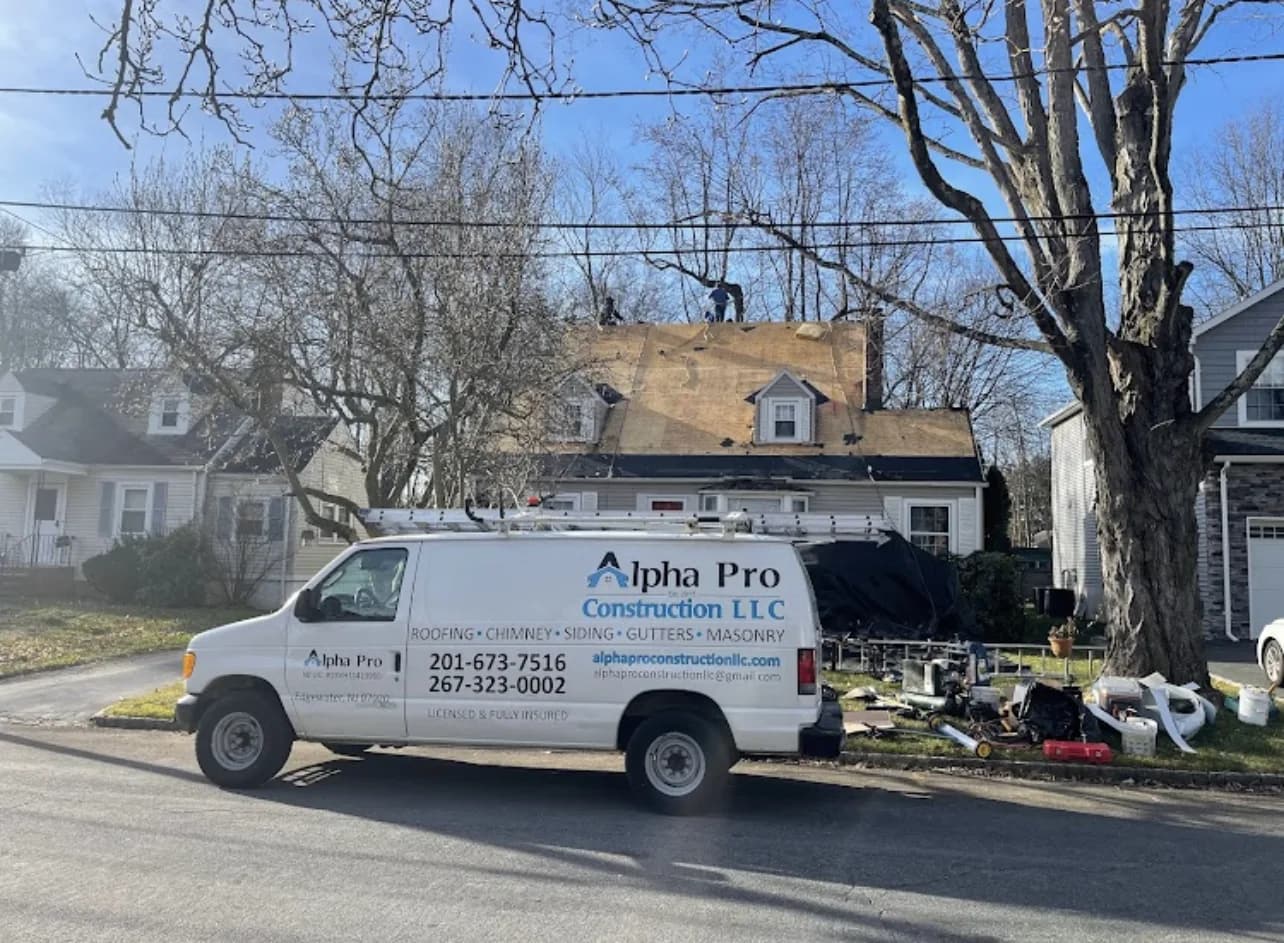
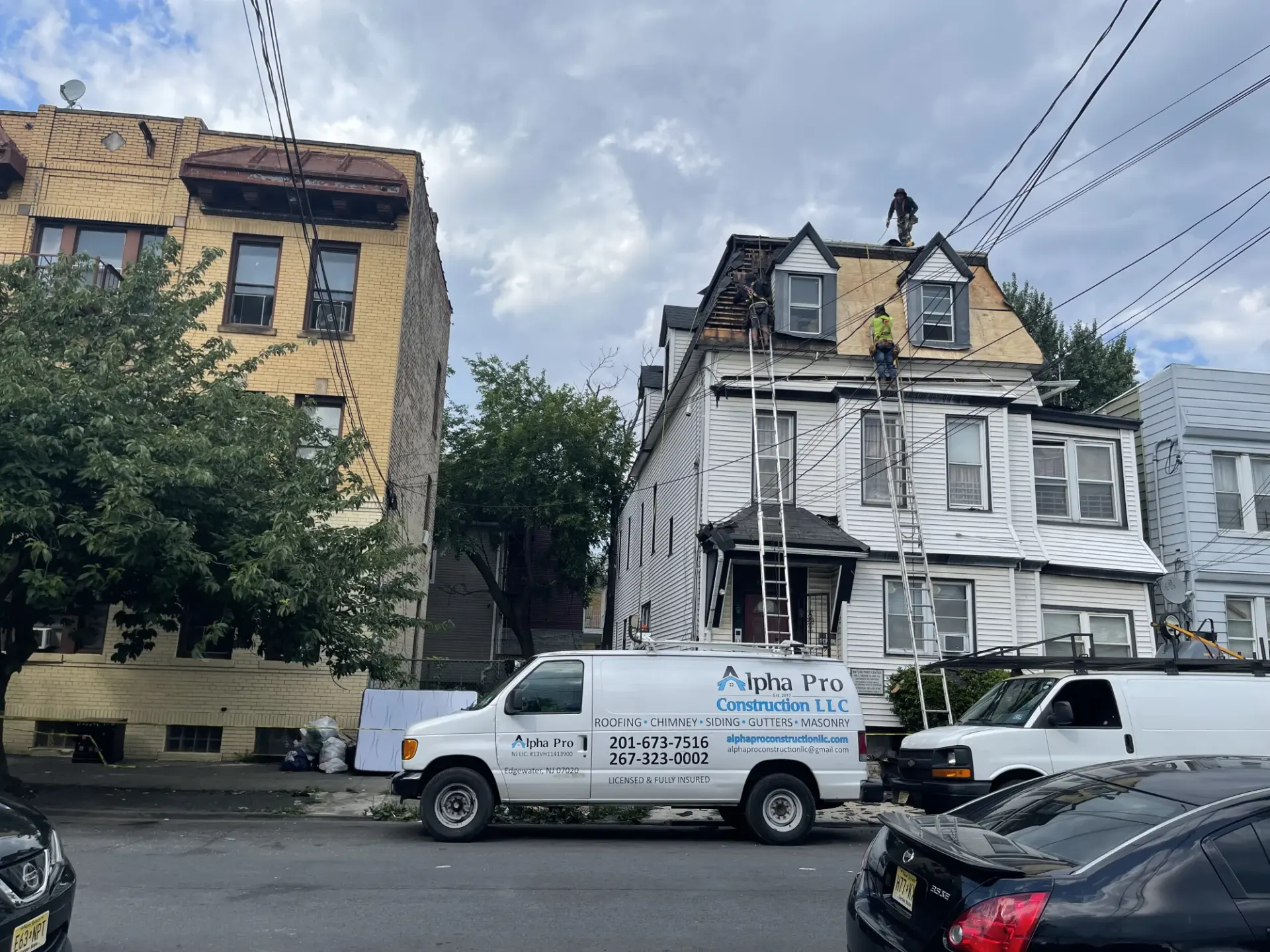
Alpha Pro Construction carries NJ HIC license 13VH11413900 and a 5.0 average rating from 96 Google reviews at the time of writing, the kind of combination of license status, review volume, and consistency this guide teaches you to look for in any roofing contractor, not just us.
Once you have verified a contractor’s reputation, the next step is the in-person conversation. Our guide on what to ask a roofing contractor before you sign a contract covers the specific questions to bring to that estimate visit, and our complete guide to choosing a roofing contractor in New Jersey walks through the rest of the vetting process, from written estimates to comparing bids. When you are ready, request a free estimate and put these checks to use on your own roofing services shortlist.
How to Verify a Roofing Contractor’s Reviews and Reputation Before You Hire - FAQs
How Do I Check if a Roofing Contractor Is Licensed in New Jersey?
Ask for the contractor’s NJ HIC license number, formatted as 13VH followed by digits, and verify it directly on the New Jersey Division of Consumer Affairs registry. The registry also shows any open complaints filed against the business, which is worth checking before you read a single review.
Are Five-Star Reviews Always Trustworthy?
Not automatically. Look at total review volume alongside the rating, how steadily reviews were posted over time, and whether the business responds specifically and professionally to any negative feedback. A cluster of five-star reviews posted in a short window, or reviewer profiles with no other history, are common signs of manufactured reviews.
What Is a Good Number of Reviews for a Roofing Company to Have?
There is no fixed threshold, but a company with dozens to over a hundred reviews built up steadily across several years, holding a high average with thoughtful responses to any negative ones, is a far stronger signal than a handful of reviews with no history or pattern behind them.
Should I Trust a Contractor’s Insurance Claim Without Proof?
No. Always ask for a certificate of insurance covering both general liability and workers compensation before any work begins. A legitimate, established contractor provides this document without hesitation, and skipping this check can leave you liable if someone is injured on your property.