Blog · Roofing Tips
How to Choose a Roofing Contractor in New Jersey
A new roof is one of the largest investments you will make in your home, and it is only as good as the crew that installs it. Choosing the right roofing contractor matters more than the brand of shingle, because most roof failures trace back to installation, not materials. Whether you need a full roof replacement or a careful repair, the vetting process below protects your money and your home.
New Jersey has thousands of roofing contractors, from established local companies to storm-chasers who appear after a hailstorm and vanish before the warranty is tested. This guide walks through exactly what to check, in order, so you can tell the two apart.
Confirm the Contractor Is Licensed and Insured
Start here, because it is the fastest way to filter out the riskiest contractors. In New Jersey, home improvement contractors must register with the Division of Consumer Affairs and carry a license number in the format 13VH followed by digits. Ask for it, and verify it on the state registry before you go further.
Then ask for proof of both general liability insurance and workers compensation. If a crew member is injured on your property and the contractor is uninsured, you can be held liable. A legitimate contractor provides a certificate of insurance without hesitation.
Look for Local, Established, and Reviewed
A contractor with a real local address and a multi-year track record has something to lose by doing bad work. Search the company name, read the Google reviews, and look for a consistent pattern rather than a handful of five-star posts from the same week.
Local matters for a practical reason too. A contractor based in New Jersey knows the local permit process, the housing styles, and the weather the roof has to survive, and they are still around when you need them for warranty service or storm damage years later.
Get a Detailed Written Estimate
Never work from a number scribbled on the back of a card. A proper estimate is written and itemized, listing the tear-off, the deck inspection and any sheathing repair, the underlayment and ice-and-water shield, the flashing, the ventilation, the shingle line and color, the cleanup, and the warranty.
An itemized estimate does two things. It lets you compare bids fairly, and it shows whether the contractor plans to do the job as a complete system or cut corners on the parts you cannot see.
Compare Bids on Scope, Not Just Price
The lowest bid is often the most expensive choice. A cheap quote usually means a layover instead of a tear-off, thinner underlayment, skipped flashing, or no ventilation work, all of which shorten the life of the roof.
When you compare estimates, line them up item by item. If one bid is far lower, find out what it leaves out before you sign, because the difference almost always shows up as a leak a few years later.
Understand the Warranty You Are Getting
There are two warranties on a roof, and you want both. The manufacturer warranty covers defects in the shingles themselves and runs for decades. The workmanship warranty is the contractor’s own promise that the installation was done correctly, and it is only as good as the company standing behind it.
Ask how long the workmanship warranty lasts and get it in writing. A contractor who installs with manufacturer-grade materials and proper technique can offer a real workmanship guarantee because they expect the roof to last.
Roofing Contractor Red Flags to Avoid
- Pressure to sign today or a price that is only good now
- A large deposit demanded up front before any materials arrive
- No physical local address, only a cell phone and a magnetic door sign
- No written, itemized estimate or no proof of license and insurance
- An offer to waive or absorb your insurance deductible, which is illegal in New Jersey
- Reviews that are all brand new, all five-star, and oddly similar
Need a Roof You Can Trust?
Free written estimates and 24-hour emergency service across New Jersey since 2015.
Questions to Ask Before You Hire
A short list of direct questions tells you a lot. Ask who pulls the permit, who is on the crew, whether the crew is employed by the company or subcontracted, how they protect landscaping and clean up nails, and what happens if it rains mid-job.
The answers matter less than the manner. A contractor who answers clearly and in writing is one who has done this many times and has nothing to hide.
Finally, get everything in writing before any work starts. A real contract should state the full scope of work, the materials and colors, the total price and the payment schedule, the start and completion dates, and the workmanship and manufacturer warranty terms. Never pay the full amount up front, and be cautious of large deposits. A handshake and a verbal promise are worth very little when a dispute comes up two winters later, while a clear, signed agreement protects both you and the contractor.
Local Contractors vs Storm-Chasers
After a big hailstorm, out-of-state crews flood the area, knock on doors, and pressure homeowners to sign on the spot. These storm-chasers collect the insurance money, do fast work, and leave the state before any warranty is tested. When a problem appears two winters later, there is no one to call.
A local, established New Jersey contractor is the opposite. They have a permanent address, a reputation in the community, and a reason to stand behind the work, because they will be doing business in the same towns for years. If a contractor found you by knocking after a storm and wants a decision today, that urgency is the warning sign.
Ask how long the company has worked in New Jersey and for addresses of recent local jobs. A contractor proud of their work will happily point you to roofs you can drive past.
Hiring a Roofing Contractor in Bridgewater, NJ
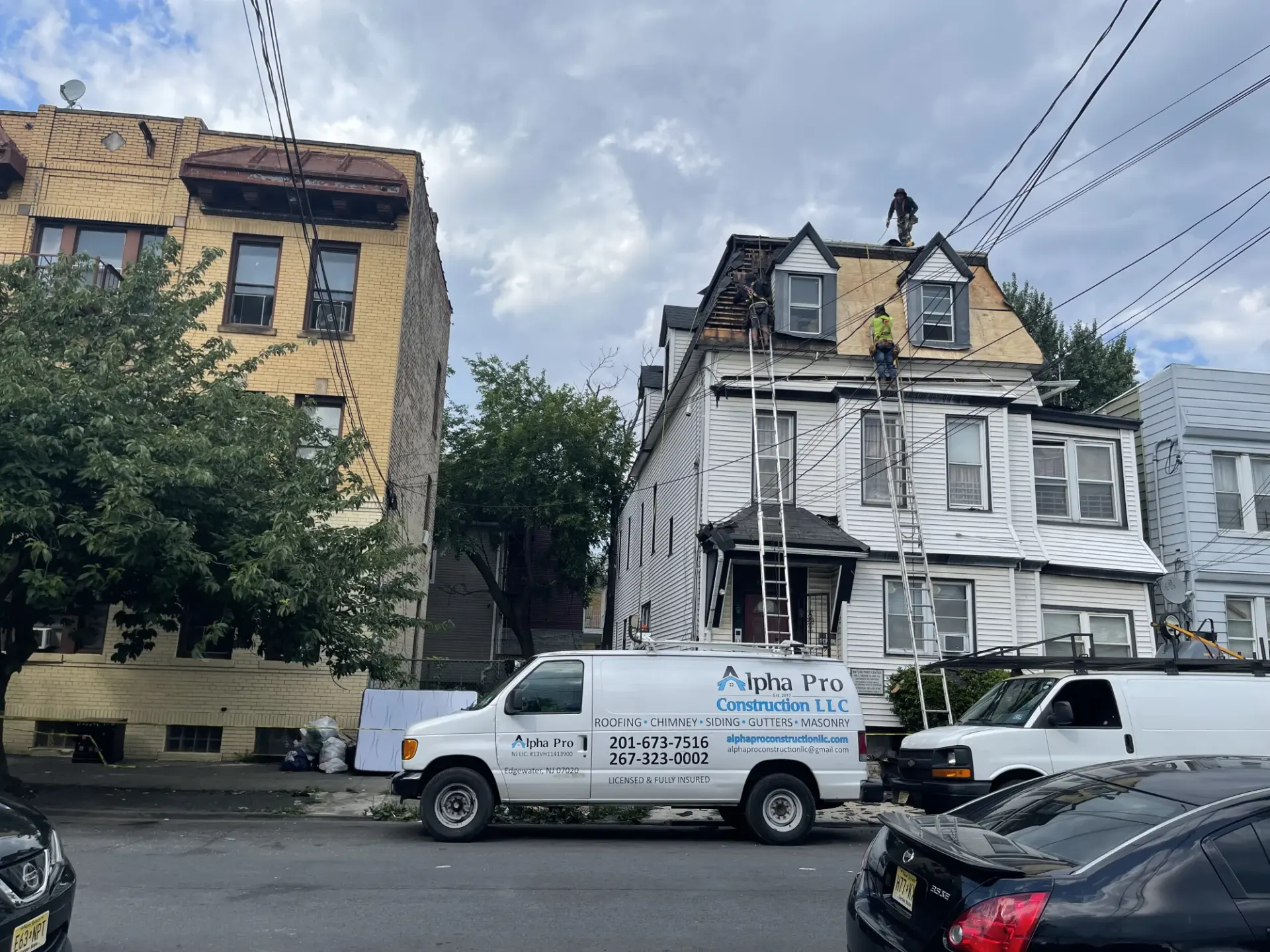
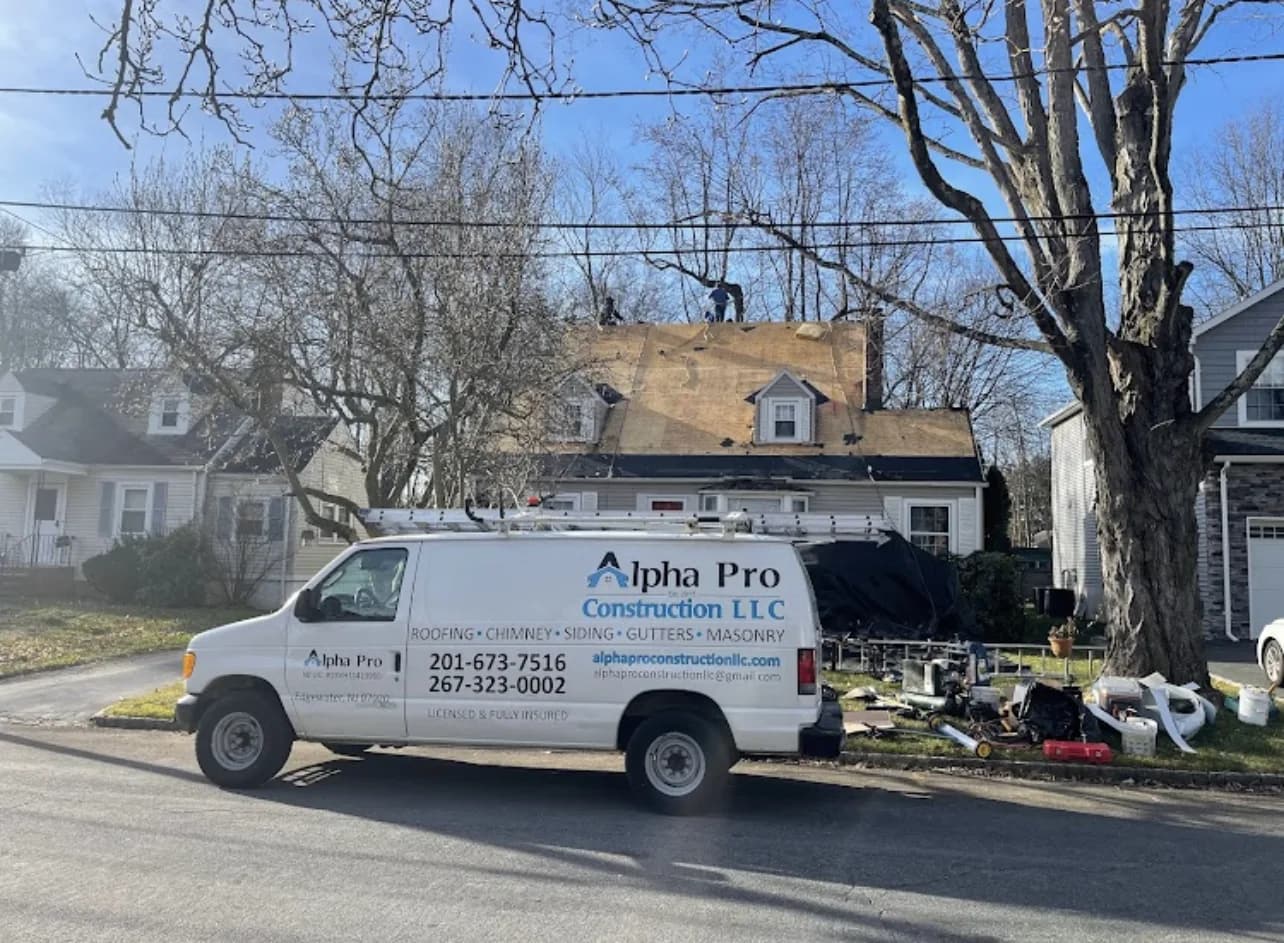
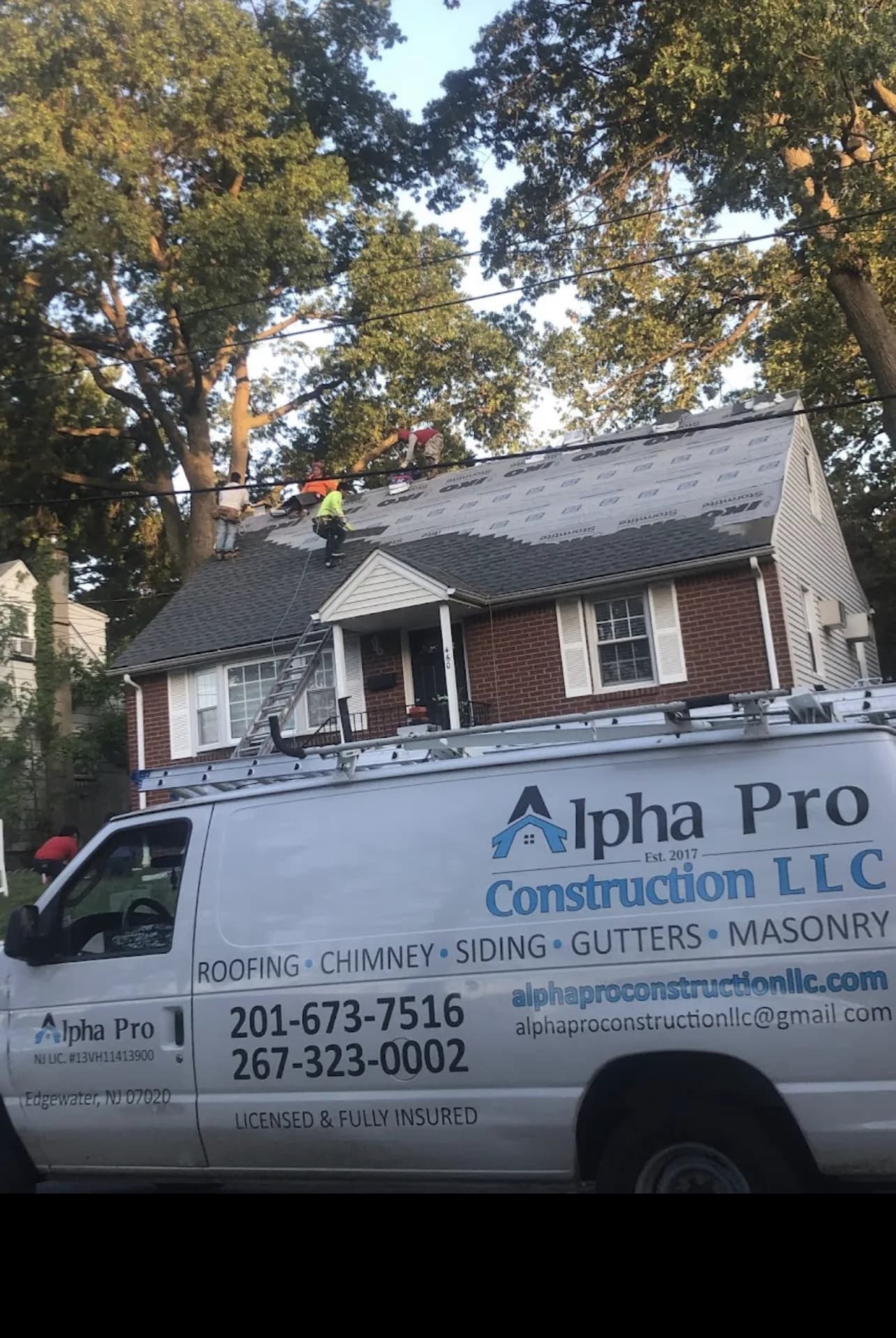
For homeowners in Bridgewater and across Somerset County, the vetting steps above point to the same thing, a local contractor who is easy to check and easy to reach. Alpha Pro Construction is based in Bridgewater and handles roof repair in Bridgewater, roof replacement in Bridgewater, and storm damage repair across the area, with a license number and proof of insurance we are glad to share. Every roof starts with a free roof inspection and a written estimate.
Being local also means we are here for the warranty. The roof we install today is one we will still be servicing in ten years, which is a promise an out-of-area storm-chaser simply cannot make.
See Recent Work and Ask for References
A contractor’s past work tells you more than any sales pitch. Ask for addresses of recent local jobs you can drive past, and look at the company’s project photos and Google reviews together rather than trusting either one alone.
References matter most for the parts you cannot see from the street. Ask past customers whether the crew showed up on time, protected the property, cleaned up the nails, and stood behind the work when a question came up months later.
What a Good Contractor Does Differently
The best roofers are separated from the rest by the details. They tear off to the deck instead of laying over, replace rotted sheathing, install ice-and-water shield and proper underlayment, flash every penetration, and build in the attic ventilation that protects the roof from below.
They also communicate. You get a written scope, a clear timeline, a plan for rain, and a single point of contact. When the work is done you get a clean site and a written workmanship warranty, not just a handshake and an invoice.
Put simply, a good roofing contractor turns a stressful, high-cost project into a managed one. You know who is on your roof, what they are doing, when it will finish, and who to call if anything comes up afterward. That confidence is worth more than the few hundred dollars a cut-rate crew might save you up front, because the roof has to keep your home dry for the next 25 years.
For a deeper look at any single step in this process, see our companion guides on how to verify a roofing contractor’s reviews and reputation, the exact questions to ask a roofing contractor before you sign a contract, and how to read a roofing estimate line by line once you have one in hand.
How to Choose a Roofing Contractor in New Jersey - FAQs
How Do I Check a Roofing Contractor’s License in New Jersey?
New Jersey home improvement contractors register with the Division of Consumer Affairs and carry a 13VH license number. Ask the contractor for it, then verify the registration on the state’s online registry. A legitimate contractor will provide the number without hesitation.
Should I Always Choose the Lowest Roofing Bid?
No. The lowest bid often leaves out the parts you cannot see, such as a full tear-off, proper underlayment, flashing, or ventilation. Compare bids item by item on scope, not just the bottom-line price, and find out what a cheap quote excludes before you sign.
What Insurance Should a Roofing Contractor Have?
A roofing contractor should carry both general liability insurance and workers compensation. Liability covers damage to your property, and workers compensation protects you if a crew member is injured on your roof. Ask for a certificate of insurance before work begins.
How Many Roofing Estimates Should I Get?
Two or three written, itemized estimates is a good target. That is enough to compare scope and price fairly without dragging the process out. Make sure each estimate covers the same work so you are comparing like for like.