Blog · Roofing Tips
Flat Roof Replacement Cost in New Jersey (2026 Complete Guide)
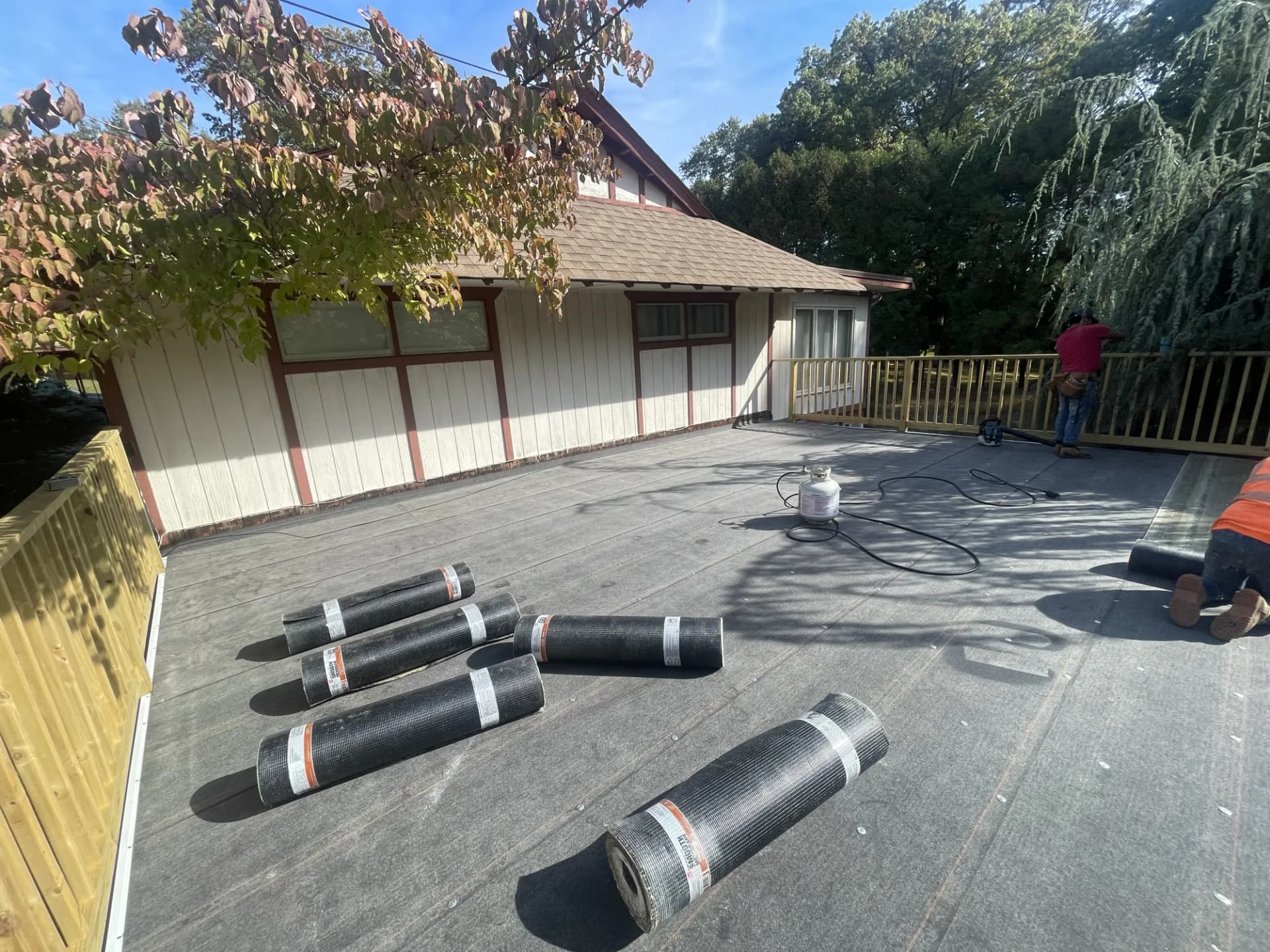
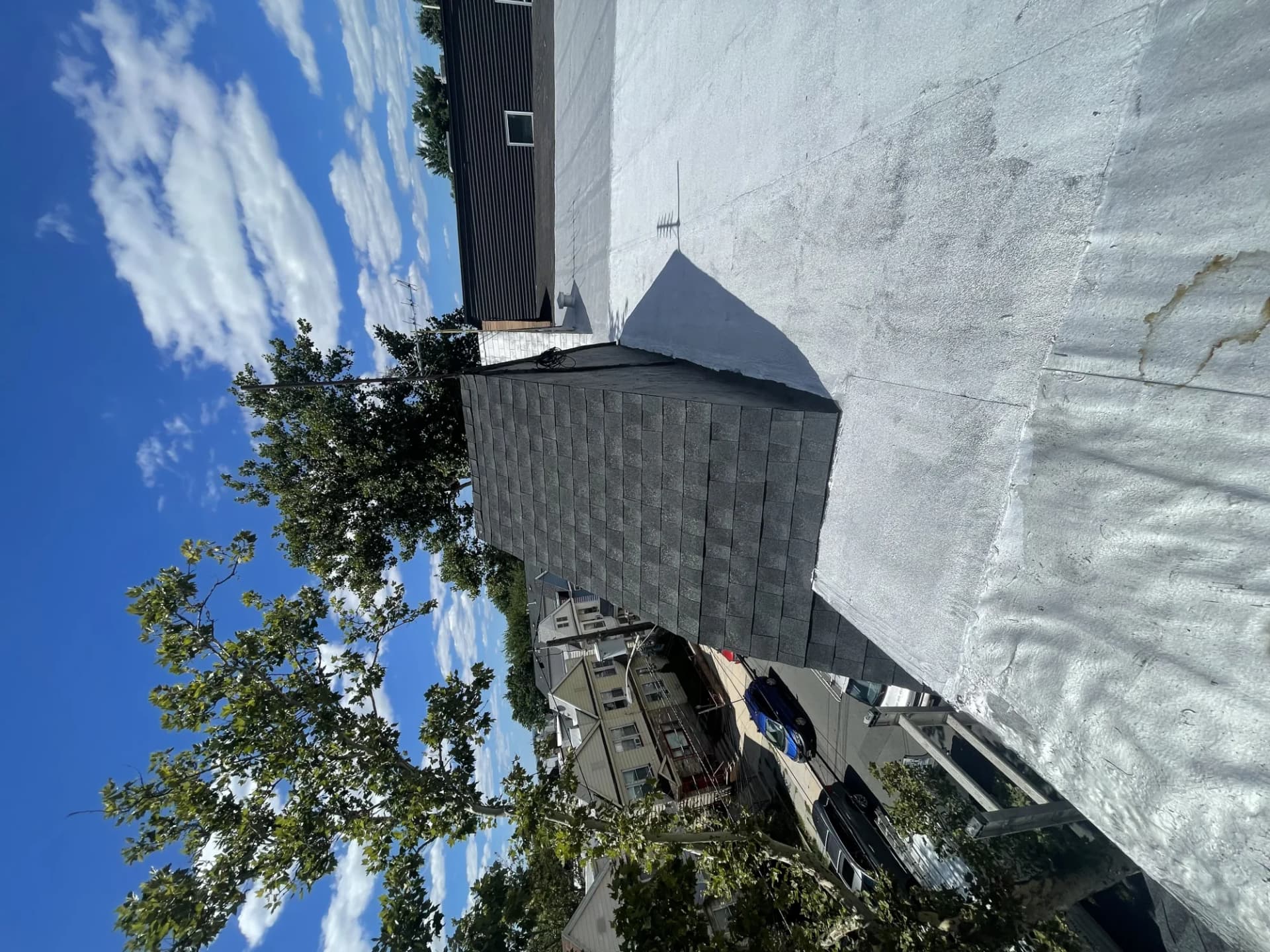
If you are pricing a flat roof replacement in New Jersey, expect a range of $5 to $12 installed per square foot, or roughly $6,000 to $20,000 for a typical residential or small commercial flat roof, depending on the membrane system you choose. Homeowners searching for flat roofing in Bridgewater NJ and across Somerset County usually want the same three answers, which material lasts longest, which one costs least up front, and which drains properly through a New Jersey year of heavy rain, snow load, and humid summer heat.
Flat and low-slope roofs are common on additions, garages, porches, and commercial buildings across New Jersey, and they are priced differently from a pitched shingle roof because drainage, not shingles, is the main engineering problem. Getting the slope, the seams, and the flashing right the first time is what actually determines whether a flat roof lasts 15 years or 25.
What Does a Flat Roof Replacement Cost by Material?
The three most common flat roof systems in New Jersey, EPDM rubber, TPO, and modified bitumen, price differently based on material cost, seam type, and how much labor the installation requires. A reflective coating over a sound existing membrane costs far less than any full replacement and can extend the roof a few more years.
| System | Typical Cost per Sq Ft | Typical Lifespan |
|---|---|---|
| EPDM rubber membrane | $5 to $8 | 20 to 25 years |
| TPO membrane | $6 to $9 | 20 to 30 years |
| Modified bitumen (torch-down) | $7 to $11 | 15 to 20 years |
| Reflective recoat (sound roof only) | $2 to $4 | 5 to 10 added years |
EPDM vs TPO vs Modified Bitumen, Which Is Right for a New Jersey Roof?
EPDM is the most budget-friendly option and has the longest track record, but its dark surface absorbs more summer heat than a reflective membrane. TPO is a reflective, heat-welded system that has become the most popular choice on new flat roofs because it balances cost, energy efficiency, and seam strength well.
Modified bitumen, installed with heat or a torch, is a durable choice for smaller residential sections like a porch or bay window roof, and it holds up well under foot traffic near HVAC units on commercial buildings.
Why Does Drainage Matter More Than Material on a Flat Roof?
No membrane, however good, will outlast standing water. A flat roof needs enough slope, usually a quarter inch of drop per foot, to move rain toward a drain or scupper instead of pooling on the surface, and pooled water is the number one cause of early flat roof failure in New Jersey.
Part of a proper flat roof replacement is correcting any low spots with tapered insulation before the new membrane goes down, which is why an accurate quote should always include drainage, not just the membrane itself.
How Long Does a Flat Roof Last in New Jersey?
A well-installed EPDM or TPO flat roof typically lasts 20 to 25 years in New Jersey, while modified bitumen tends to run 15 to 20 years before it needs replacement. Actual lifespan depends heavily on drainage, foot traffic, and how quickly small punctures or seam separations get repaired.
Need a Roof You Can Trust?
Free written estimates and 24-hour emergency service across New Jersey since 2015.
Can You Repair a Flat Roof Instead of Replacing It?
Yes, when the damage is limited to a seam separation, a puncture, or flashing around a vent or HVAC curb. A patch or a reflective recoat can add several years to a flat roof that is otherwise structurally sound and not holding standing water.
Once a flat roof shows widespread blistering, multiple leaks, or a soft deck underneath, patching becomes a short-term fix and full replacement is the more cost-effective path.
What Increases Flat Roof Replacement Cost?
Beyond the base material, a few site conditions commonly move the price on a New Jersey flat roof.
- Correcting poor drainage or adding tapered insulation to fix ponding water
- Multiple roof penetrations for HVAC units, vents, and skylights on commercial buildings
- A rotted or damaged deck discovered once the old membrane is removed
- Upgrading insulation to meet current energy code requirements
- Access difficulty on a multi-story or attached urban building
Getting an Accurate Flat Roof Quote in New Jersey
Alpha Pro Construction installs and repairs EPDM, TPO, and modified bitumen flat roofing systems across Bridgewater and Somerset County, and every estimate is free, written, and measured, not guessed from the ground. Call (267) 323-0002 or request a free estimate for your flat roof to get an itemized price for your specific system.
We hold NJ HIC license 13VH11413900 and have replaced flat roofs on everything from residential additions to commercial buildings, and we will tell you plainly when a repair or recoat still makes sense instead of a full tear-off. Our guide to commercial roof coatings explained breaks down exactly when a coating extends a roof’s life instead, and property managers weighing that decision against a broader capital plan may also want our commercial roofing overview for New Jersey property managers.
Signs Your Flat Roof Needs Replacement Soon
A few warning signs mean it is time to plan for replacement rather than another round of patching.
- Standing water that takes more than 48 hours to drain after rain
- Blistering, bubbling, or cracking across large sections of the membrane
- Interior ceiling stains that keep reappearing after repairs
- Visible sagging anywhere in the roof deck
- The roof is already past its material lifespan and needs repairs every year
Flat Roof Replacement Cost in New Jersey (2026 Complete Guide) - FAQs
How Much Does a Flat Roof Replacement Cost in New Jersey?
Most flat roof replacements in New Jersey cost $6,000 to $20,000, or $5 to $12 per square foot installed, depending on the membrane system and any drainage corrections needed. Commercial roofs with multiple penetrations or extensive tapered insulation cost more.
Is EPDM or TPO Better for a New Jersey Flat Roof?
TPO is generally the better choice for reflectivity and energy efficiency in New Jersey summers, while EPDM costs slightly less and has a long, proven track record. Both typically last 20 to 25 years when installed with correct drainage.
How Often Should a Flat Roof Be Inspected?
A flat roof should be inspected at least once a year and after any major storm, since standing water and small seam separations are much cheaper to fix early than after they cause interior leaks.
Do Flat Roofs Need Special Winter Maintenance in New Jersey?
Yes. Snow and ice should be cleared from drains and low points after storms to prevent ponding once it melts, and any visible membrane damage should be repaired before winter to avoid water entering through a freeze and thaw cycle.