Blog · Roofing Tips
Commercial Roof Coatings Explained - Silicone, Acrylic, and TPO Options
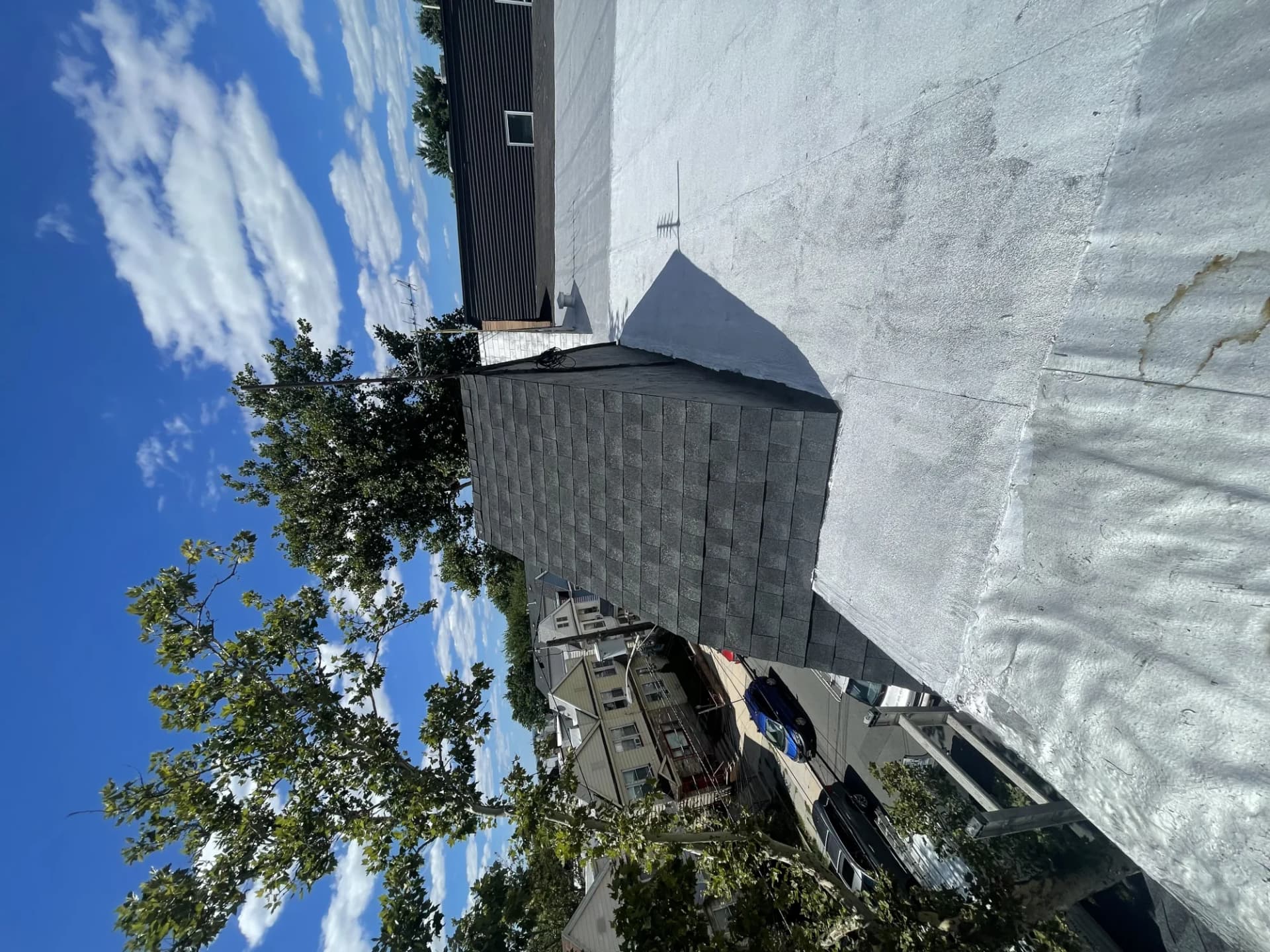
If your commercial building’s flat roof is aging but still structurally sound, a full tear-off is not the only option. A fluid-applied coating system can renew the weatherproof layer over an existing TPO, EPDM, modified bitumen, or metal roof for a fraction of the cost of a full replacement, and it is one of the options we weigh whenever we evaluate commercial roofing in Bridgewater and across New Jersey. Which coating chemistry fits depends on your roof’s drainage, its current membrane, and how much service life you are trying to add before the next capital project.
This guide breaks down the three coating families building owners ask about most, silicone, acrylic, and TPO-compatible systems, and how to tell which one fits a given roof instead of choosing on price alone.
What Is a Commercial Roof Coating System?
A roof coating is a fluid-applied membrane sprayed or roller-applied directly over an existing roof surface to renew its weatherproofing without removing what is already there. Once cured, it forms a continuous, monolithic layer that seals seams, small punctures, and worn spots across the whole field of the roof rather than patching them individually.
Coating systems are a restoration tool, not a repair for a roof that is already failing structurally. They work by extending the life of a membrane, insulation, and deck that are still sound, which is why the substrate condition matters more than the coating brand when it comes to how long the system actually lasts.
Silicone Roof Coatings: Best for Ponding Water
Silicone is the coating chemistry rated for standing water. Unlike other coatings, silicone does not break down from prolonged UV exposure or ponding water, which makes it the default choice for low-slope commercial roofs that hold water in low spots for more than a day or two after rain. It is typically applied at a thicker mil rate than acrylic and resists chalking longer as it ages.
The tradeoff is cost. Silicone systems generally cost more per square than acrylic, and the finished surface can attract dirt and become slippery when wet, which matters if the roof sees regular foot traffic. Where ponding is unavoidable due to the roof’s slope or drain layout, that added cost buys real, verifiable resistance to the exact condition that degrades other coatings fastest.
Acrylic Roof Coatings: Lower Cost With Strong Reflectivity
Acrylic coatings cost less than silicone and offer strong solar reflectivity, which helps lower a building’s cooling load in summer, a real factor in a "cool roof" energy strategy. They are easier to apply and easier to recoat down the line, which keeps long-term maintenance costs manageable on roofs that stay in good shape between service visits.
The limitation is drainage. Acrylic is not recommended on roofs with regular standing water, since prolonged moisture exposure can soften and degrade the coating over time. Acrylic is the right call on a roof with good positive drainage and no chronic ponding, where its lower cost and higher reflectivity outweigh silicone’s water resistance advantage.
Coating an Existing TPO Roof vs Installing New TPO Membrane
TPO itself is normally a heat-welded single-ply membrane installed as new roofing, not a spray-applied coating. When building owners ask about a "TPO roof coating," they usually mean applying a fluid-applied coating over an aging TPO membrane roof to renew it, which is a different project than installing new TPO sheet goods.
TPO’s smooth, slick factory finish is harder for a standard silicone or acrylic coating to grip than a granulated modified bitumen or weathered EPDM surface. That is why TPO-compatible coating systems exist, formulated with primers and chemistries specifically engineered to bond to TPO. Matching the coating to the substrate matters more on a TPO roof than on almost any other membrane type.
Coating vs Full Roof Replacement: How to Decide
Coating is the right call when the roof deck and insulation are still dry and sound and the membrane simply needs a renewed weatherproof layer. It extends the roof’s service life, costs less than a tear-off, and causes far less disruption for tenants and equipment operating below, which is often the deciding factor for an occupied commercial roof repair scope.
Full replacement is the right call once there is widespread membrane failure, wet insulation confirmed by a moisture scan or core cuts, or structural deck damage. Coating over any of those problems only hides them temporarily. If you are still weighing the two options for an aging system, our guide on flat roof replacement cost in New Jersey breaks down what a full tear-off actually involves and costs.
Comparing Commercial Roof Coating Systems
| System | Best For | Ponding Water Resistance | Relative Cost | Typical Recoat Interval |
|---|---|---|---|---|
| Silicone | Roofs with persistent ponding or poor drainage | Excellent | Higher | Longest recoat cycle of the three, when properly prepped |
| Acrylic | Roofs with good drainage seeking reflectivity and lower cost | Limited, not recommended over standing water | Lower | Shorter recoat cycle, inexpensive to refresh |
| TPO-Compatible | Aging TPO membrane roofs needing a bonded renewal coat | Good, depends on the specific chemistry | Moderate to higher | Set by the manufacturer’s substrate-specific system warranty |
Need a Roof You Can Trust?
Free written estimates and 24-hour emergency service across New Jersey since 2015.
What a Coating Warranty Actually Covers
Manufacturers commonly back properly applied coating systems with warranties in a wide 10 to 20 year range, but that figure assumes the substrate was cleaned, primed, and repaired to spec before the coating went on. Warranty length tracks mil thickness applied and substrate prep as much as the product itself, which is a standard the National Roofing Contractors Association points building owners toward when comparing bids.
Skipped substrate prep is the single most common reason a coating fails early, well before repairs or seams are addressed and dried, or when a coating is applied over a membrane that still has trapped moisture underneath. Alpha Pro Construction inspects the existing roof on site before recommending coating over replacement, since that inspection, not a standard sales pitch, is what actually determines which option makes sense for a given building.
Signs Your Roof Is a Good Coating Candidate
A short roof walk usually answers the coating-versus-replacement question before any product gets specified.
- No areas of sustained ponding water beyond 48 hours after rain
- Insulation tests dry with no widespread wet spots on a moisture scan
- Seams and flashing are intact, needing only minor, isolated repairs
- The roof deck shows no soft spots, sagging, or visible structural damage
Application Process and New Jersey Weather Windows
Coating application starts with pressure washing the existing membrane to remove dirt, chalking, and biological growth, followed by repair of any failed seams, flashing, and punctures before a primer coat where the manufacturer specification calls for one. Only after that prep work is dry does the coating itself go down, usually in two passes to reach the full mil thickness the warranty requires.
Most coating chemistries need a minimum surface temperature and low humidity to cure properly, which narrows the practical application window in New Jersey to spring through early fall in most years. Scheduling a coating project outside that window risks a partial cure that fails early, which is why a contractor pushing to coat a roof in late November deserves a direct question about cure conditions before you approve the work.
Reflective Coatings and Cool Roof Energy Considerations
A white or reflective coating lowers roof surface temperature significantly compared to an aged, dark membrane, which reduces heat transfer into the building and eases the load on rooftop HVAC equipment during New Jersey summers. Some utility and state energy efficiency programs offer incentives tied to reflective or cool roof installations, and current commercial energy codes increasingly favor higher reflectivity on new and recover roofing projects.
Incentive programs and their requirements change over time, so confirm current eligibility with your utility or a program administrator before counting a rebate into your project budget. The reflectivity benefit itself, a measurably cooler roof surface, holds regardless of whether a specific incentive program is active in a given year.
Getting a Coating Recommendation for Your New Jersey Building
Coating chemistry decisions should follow an on-site inspection of your specific roof, not a generic recommendation. Alpha Pro Construction evaluates commercial flat roofs across New Jersey as part of our roofing services, checking drainage, membrane condition, and insulation moisture before recommending a coating system, a targeted flat roofing repair, or full replacement.
Property managers weighing a coating decision against a broader capital plan may also want our guide to commercial roofing for New Jersey property managers, which covers inspection schedules, budgeting, and documentation for a commercial roof portfolio beyond a single coating project.
Commercial Roof Coatings Explained - Silicone, Acrylic, and TPO Options - FAQs
How Long Does a Commercial Roof Coating Last?
Most coating systems carry manufacturer warranties in the 10 to 20 year range when applied over a properly cleaned, primed, and repaired substrate. Silicone systems tend to hold up longest under ponding water, while acrylic systems usually need recoating sooner but cost less to reapply. Substrate prep before coating determines the real-world result more than the product alone.
Can You Coat a Roof With Standing Water?
Silicone is the coating chemistry rated for ponding water, since it resists breakdown from prolonged moisture better than acrylic. Acrylic is not recommended on roofs with regular standing water. Either way, persistent ponding is worth addressing at the drainage level, since a coating manages water resistance, it does not correct a roof’s slope.
Is a Roof Coating Cheaper Than a Full Roof Replacement?
In most cases, yes. A coating system costs meaningfully less than a full tear-off and replacement because it reuses the existing membrane, insulation, and deck instead of removing them. That savings only holds when the underlying roof is structurally sound. Coating over a failing or wet roof system just delays a more expensive replacement.
Can You Apply a Coating Over an Existing TPO Roof?
Yes, with a coating chemistry specifically formulated to bond to TPO’s slick surface, often paired with a primer. Standard acrylic or silicone products can have adhesion problems on TPO without that step. A professional inspection confirms the membrane is clean, tightly seamed, and dry enough for a coating to bond correctly before any product is applied.