Blog · Roofing Tips
Roof Ventilation in New Jersey and Why It Prevents Ice Dams
A roof can look perfect from the street and still be failing from the inside, because poor attic ventilation shortens shingle life and feeds the ice dams that damage New Jersey roofs every winter. If you are planning roof replacement in Bridgewater NJ or a repair, ventilation is the part of the system worth getting right at the same time.
This guide explains what roof ventilation does, how much a roof needs, the vent types used on New Jersey homes, and the warning signs that your attic is not breathing properly.
What Does Roof Ventilation Do?
Roof ventilation moves air through the attic so it stays close to the outdoor temperature. In summer it carries off superheated air and moisture. In winter it keeps the roof deck cold and even, so snow does not melt unevenly from underneath and refreeze at the eaves.
Ventilation works together with insulation and air sealing, and it cannot replace them. If warm, moist air from the living space leaks into the attic, vents alone will not keep up.
How Much Attic Ventilation Does a Roof Need?
The common building code guideline is 1 square foot of net free vent area for every 150 square feet of attic floor. It can be relaxed to 1 for every 300 in certain balanced or vapor-retarder conditions, and your local code and the shingle manufacturer’s instructions control. About half of the vent area should be low, as soffit intake, and half high, as ridge or other exhaust.
Net free area is the actual opening left after the screen or louver, not the size printed on the vent, so check the product specification. The table shows the arithmetic for three attic sizes. The U.S. Department of Energy guidance on attic ventilation explains the basics.
| Attic Floor Area | Net Free Vent Area at 1 per 150 | Net Free Vent Area at 1 per 300 |
|---|---|---|
| 800 square feet | 5.3 sq ft (768 sq in) | 2.7 sq ft (384 sq in) |
| 1,000 square feet | 6.7 sq ft (960 sq in) | 3.3 sq ft (480 sq in) |
| 1,500 square feet | 10 sq ft (1,440 sq in) | 5 sq ft (720 sq in) |
What Types of Roof Vents Are Used on New Jersey Homes?
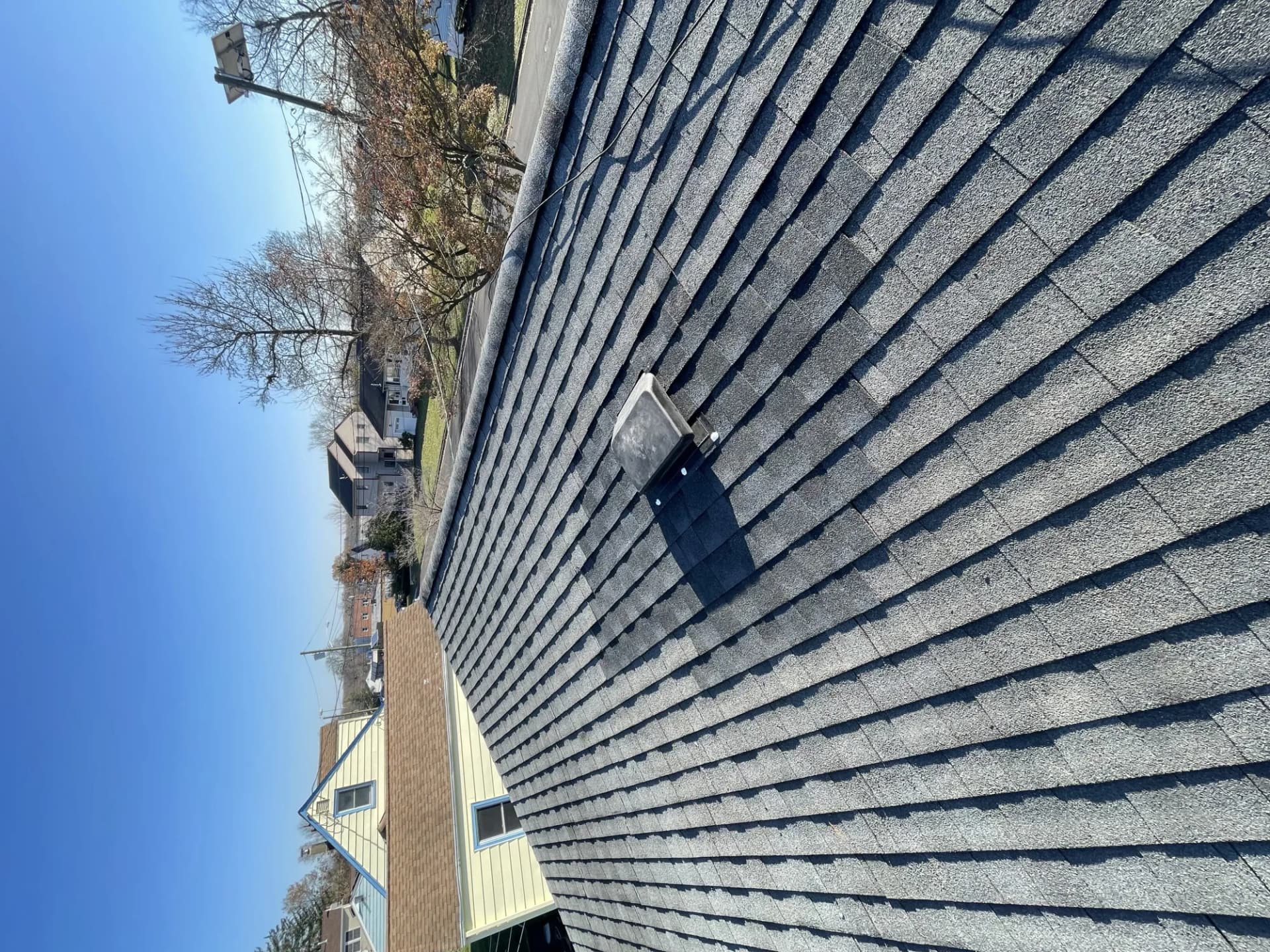
Most homes use a combination of low intake and high exhaust vents.
- Soffit vents, set under the eaves, bring fresh air in at the bottom of the attic
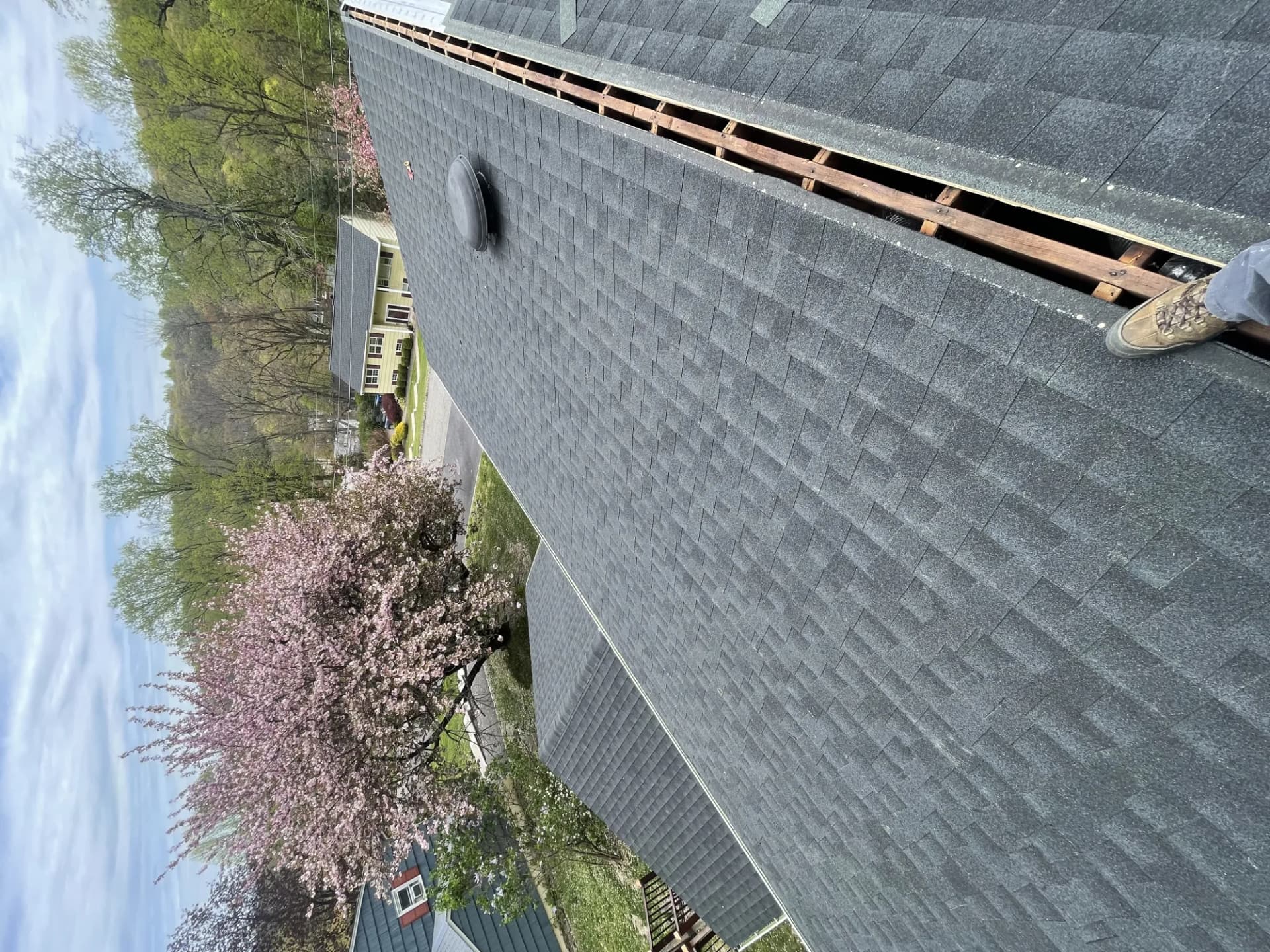
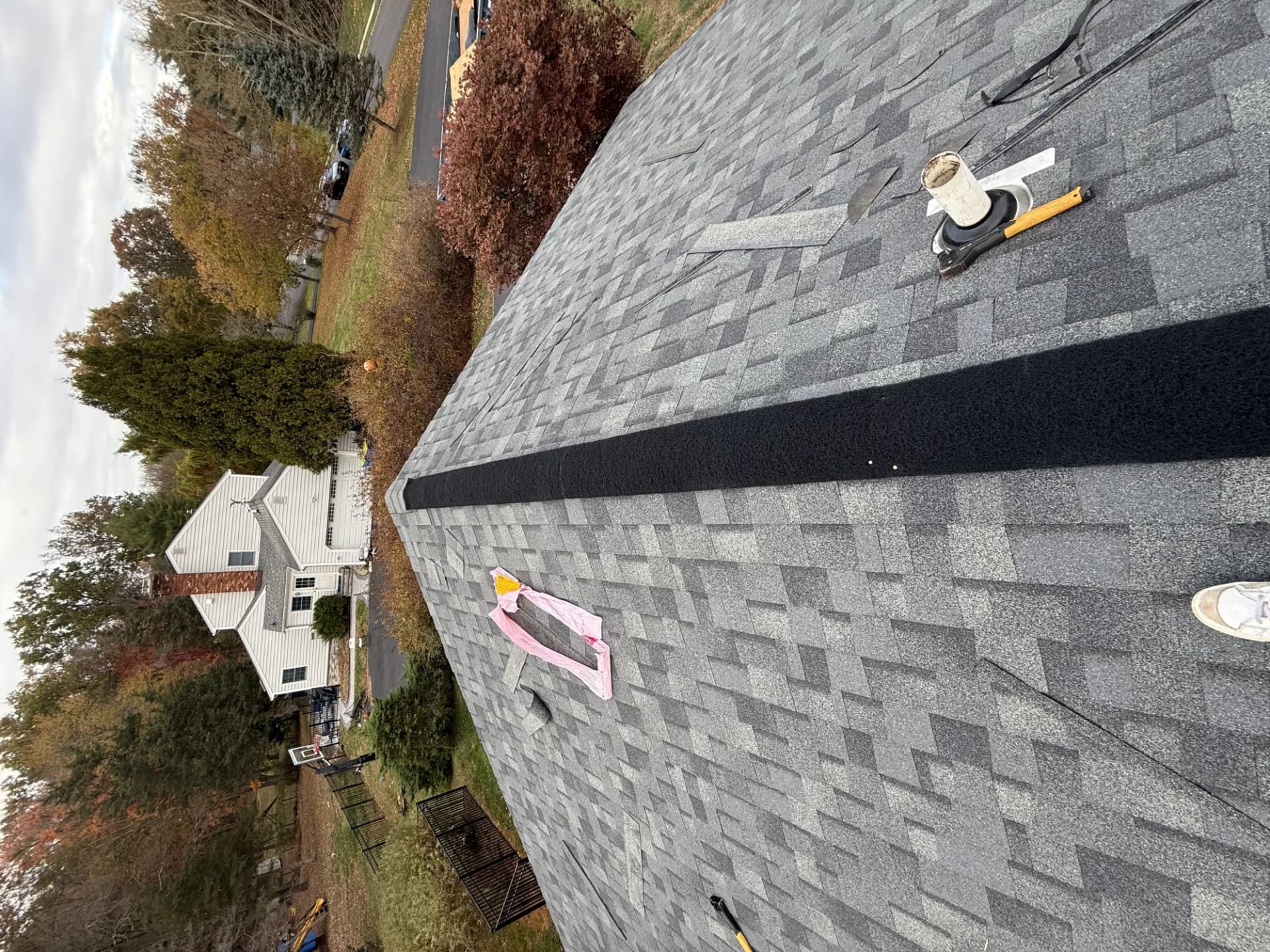
- Ridge vents run along the peak and exhaust air evenly along the full length of the roof
- Box or static vents sit near the ridge and exhaust air at individual spots
- Gable vents move air across the attic from end walls, and work best on simple roofs
- Powered fans push air out electrically, and are best matched to the rest of the system
What Are the Signs of Poor Roof Ventilation?
Poor ventilation usually shows up in the attic and at the eaves before it shows up as a leak. Look for these signs.
- Ice dams or heavy icicles along the eaves in winter
- Frost or damp on the roof-deck nails and underside of the sheathing in a cold attic
- A musty smell, mold, or damp insulation
- Upstairs rooms that stay very hot in summer
- Shingles that curl, blister, or age faster than expected
Need a Roof You Can Trust?
Free written estimates and 24-hour emergency service across New Jersey since 2015.
How Does Poor Ventilation Cause Ice Dams?
When the attic is warm, heat reaches the roof deck and melts the snow above it. The water runs down to the cold overhang, refreezes, and builds a ridge of ice that traps more meltwater behind it. Proper ventilation keeps the whole deck cold, which stops the melting at the source.
Insulation and air sealing are the bigger lever, and ventilation is what completes the fix. Our ice dam prevention guide covers all three in more detail.
Can Insulation Block Roof Ventilation?
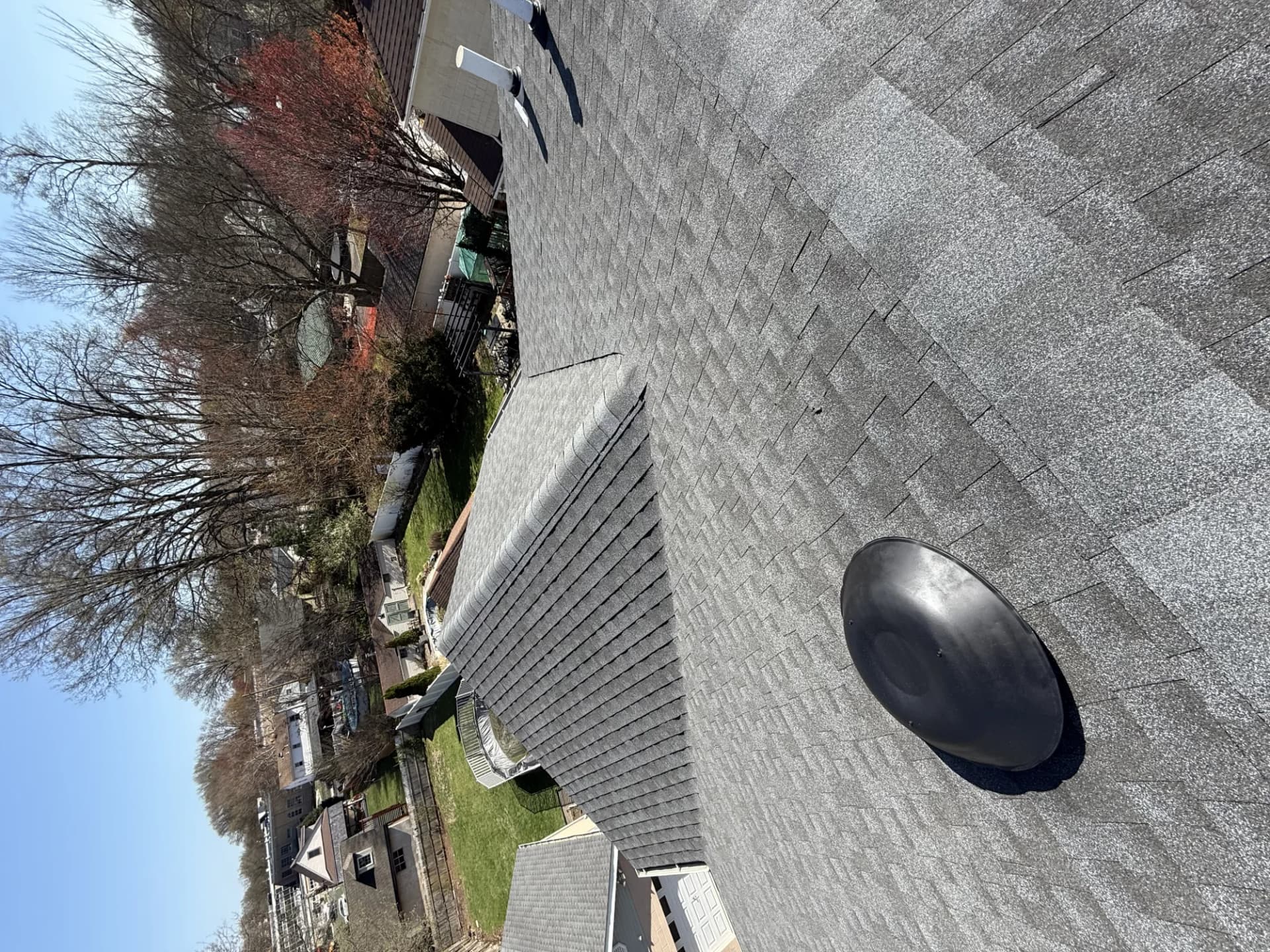
Yes, and it happens often. Loose insulation pushed into the eaves blocks the soffit vents, which cuts off the intake air that the whole system depends on. Rafter baffles hold the insulation back and keep an open channel from the soffit up to the ridge.
Mixing exhaust types can also short-circuit airflow. A ridge vent combined with box vents or a powered fan can pull air from the other vents instead of from the soffits, so the attic ends up poorly ventilated even with many vents installed.
When Should Roof Ventilation Be Upgraded?
The easiest time is during a roof replacement, because the roof deck is open and adding a ridge vent or clearing blocked soffits costs little extra. Many shingle manufacturers also state that inadequate ventilation can limit or void their warranty, so read the document you receive.
If your roof is not due for replacement, a free roof inspection can include a look at the attic and the vents, which is a good way to find a problem before winter.
Roof Ventilation in New Jersey and Why It Prevents Ice Dams - FAQs
How Do I Know If My Attic Has Enough Ventilation?
Compare the net free vent area to the attic floor area using the 1 per 150 guideline, and check that about half the vents are low and half are high. Signs of trouble include ice dams, frost on the roof deck, a musty smell, and very hot upstairs rooms in summer.
Is a Ridge Vent Better Than Box Vents?
A ridge vent exhausts air evenly along the whole peak, which usually gives smoother airflow than a few box vents. Either can work when sized correctly. The key is not to mix exhaust types, since that can pull air from other vents instead of from the soffits.
Can Poor Ventilation Void a Shingle Warranty?
It can. Many shingle manufacturers state that inadequate attic ventilation may limit or void coverage, so check your warranty document. A contractor should confirm the ventilation meets the manufacturer’s requirements when installing a new roof.
Do Soffit Vents Get Blocked by Insulation?
Often. Loose or batt insulation pushed into the eaves covers the soffit vents and stops intake air. Rafter baffles keep the insulation back and hold an open channel from the soffit to the ridge, which restores airflow without removing any insulation.