Blog · Storm Damage
How to Prepare Your Roof for a New Jersey Hurricane or Tropical Storm
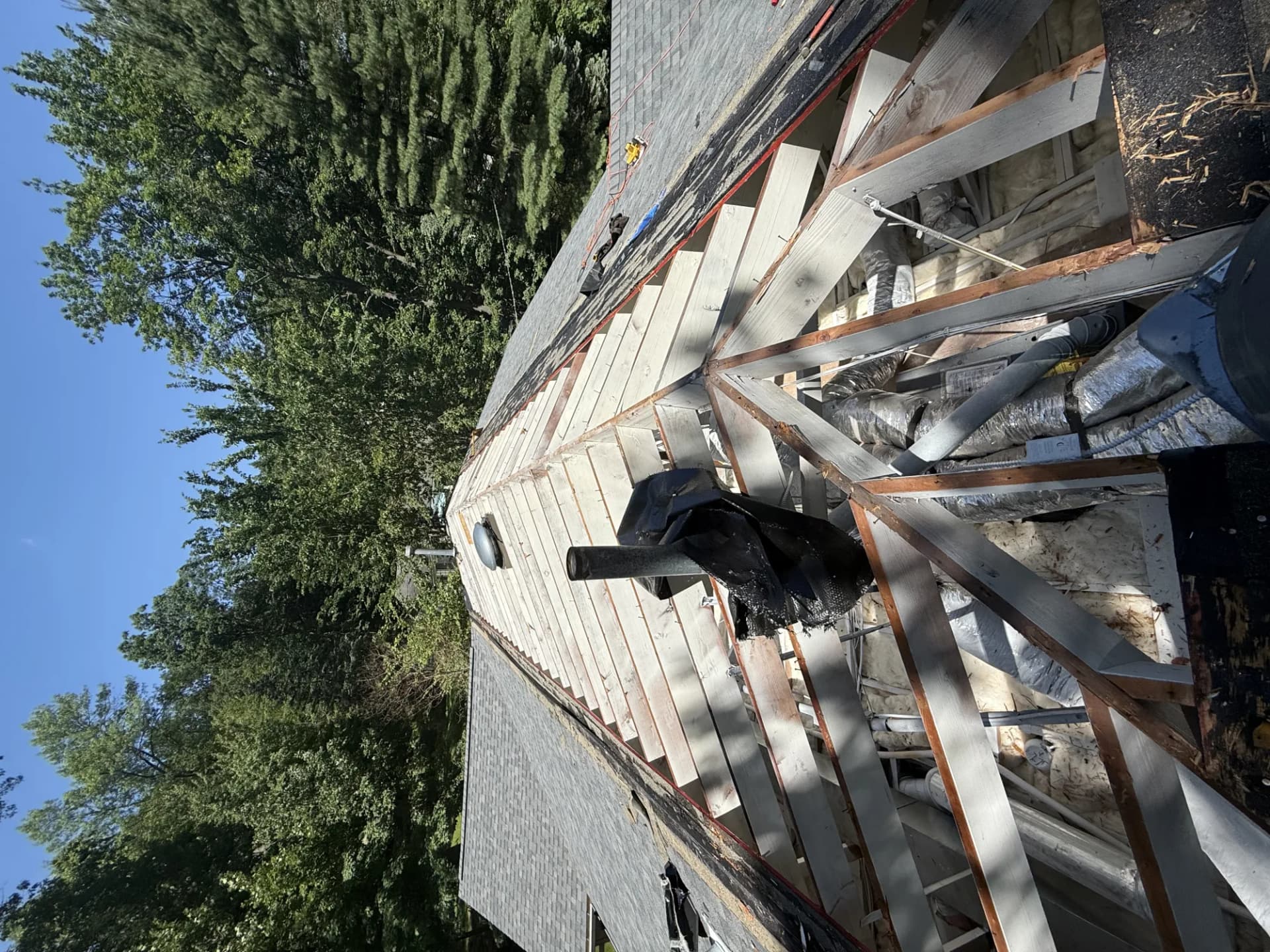
New Jersey sits in the path of Atlantic hurricane season, which runs from June through November and peaks in August and September. A roof that shrugs off a routine nor’easter can still fail under the sustained wind and wind-driven rain of a tropical system, and the right time to find that out is before the storm, not during it. A free roof inspection now can catch the weak points a hurricane would turn into an emergency.
This guide covers what to check on a New Jersey roof before hurricane season peaks, what a contractor can reinforce ahead of time, and what to do if a storm is already on its way, so you know what to look for yourself before deciding whether to call one in.
Why Hurricane Season Is Different From a Regular New Jersey Storm
A typical New Jersey storm brings short bursts of wind and rain. A hurricane or its remnants bring sustained wind, sometimes for hours, along with wind-driven rain that finds its way under shingles and flashing that a brief squall never would. Coastal and central New Jersey feel this most directly, but the wind field of a large tropical system reaches well inland, so an aging roof anywhere in the state is at risk during the peak months.
The damage a hurricane causes is rarely a single dramatic failure. More often it is several small weak points, a slightly lifted shingle here, worn flashing there, that the storm finds all at once.
What to Check Before Hurricane Season Peaks
A visual check from the ground and the attic catches most of what matters before a storm arrives.
- Shingles that are already curling, cracked, or loose at the edges
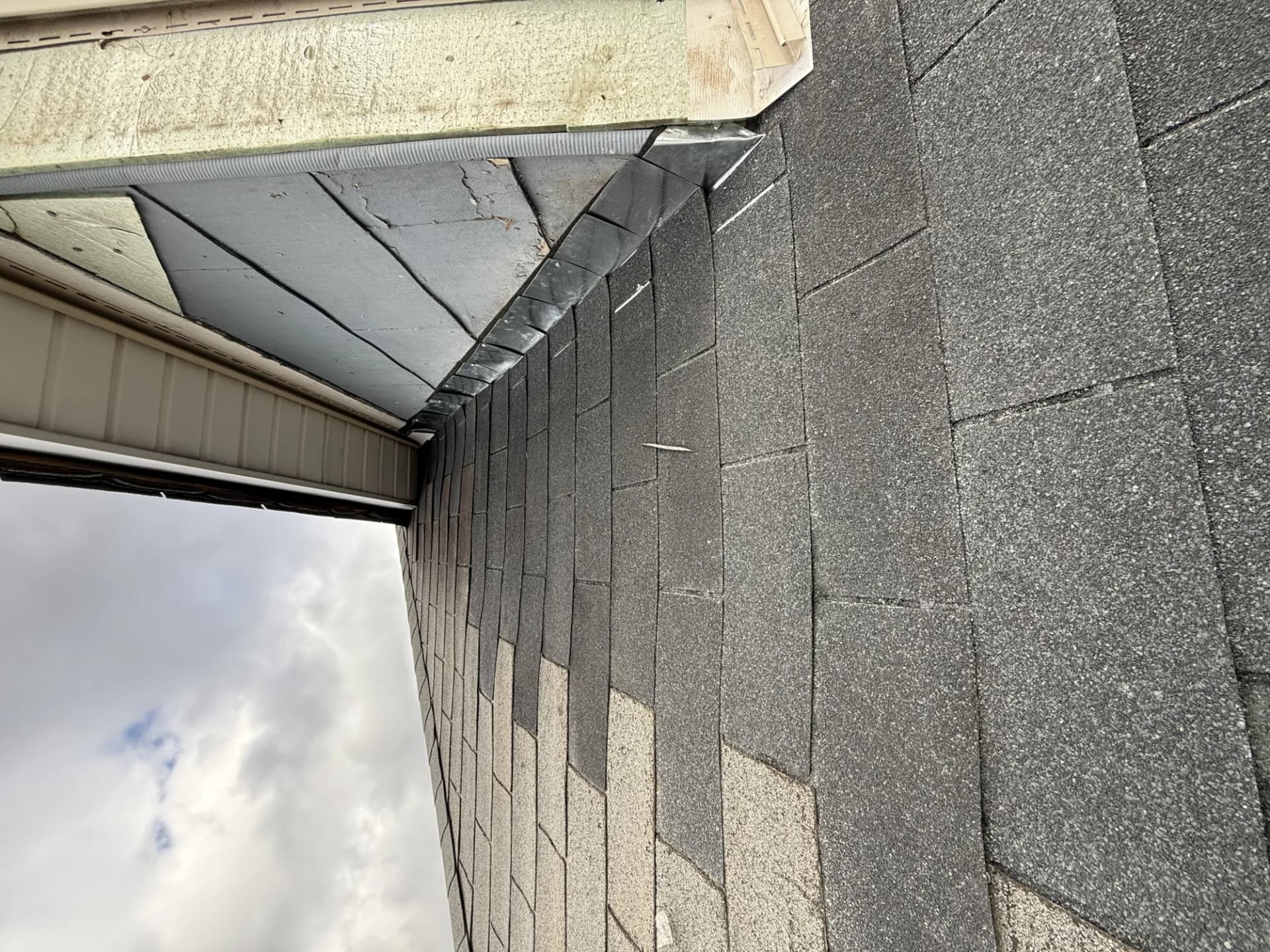
- Flashing around the chimney, skylights, and roof-to-wall junctions
- Gutters and downspouts clear of debris so water has somewhere to go
- Tree limbs overhanging the roof that could snap in high wind
- Attic ventilation and any visible daylight, staining, or moisture
- The chimney cap and crown, which take direct wind and rain exposure
What a Pre-Season Inspection Catches That You Might Miss
Most of the damage that fails during a hurricane was visible beforehand to someone who knew where to look. A free roof inspection covers the points above in more depth, including the parts of the roof you cannot see from the ground or the attic hatch, and gives you a written recommendation before the season is underway rather than a mid-storm surprise.
Need a Roof You Can Trust?
Free written estimates and 24-hour emergency service across New Jersey since 2015.
If a Storm Is Already on Its Way
Once a storm is forecast, the checklist gets shorter and more urgent: secure or bring in loose outdoor items that could become airborne debris, clear gutters and downspouts one more time, and confirm you have a way to reach an emergency roofer if the roof is compromised. Do not go on the roof yourself once wind and rain have started. If the roof is already leaking or visibly damaged during the storm, call our emergency line rather than attempting a fix in active weather.
After the Storm Passes
Inspect what you can see from the ground first, missing shingles, granules in the gutters, obviously bent flashing, before going any further. Photograph everything you find, since documentation is what gets an insurance claim approved for the full scope of damage rather than only what is visible from the driveway. Our guide to filing a roof insurance claim in New Jersey walks through the process step by step, and our coverage breakdown explains what a standard homeowners policy typically pays for after a named storm.
A full professional inspection after any hurricane or tropical storm is worth scheduling even if the roof looks fine, since wind and wind-driven rain damage is often invisible from the ground until it becomes a leak weeks later.
Storm-Ready Roofs Start With Routine Maintenance
The homes that come through hurricane season with the least damage are usually the ones with routine maintenance already in place, clear gutters, sound flashing, and a roof that has not been ignored for a decade. Our seasonal gutter maintenance guide covers the upkeep that matters most between storms.
How to Prepare Your Roof for a New Jersey Hurricane or Tropical Storm - FAQs
How Often Should I Inspect My Roof Before Hurricane Season?
A visual check once before the season begins in June and again in the peak months of August and September is enough for most roofs. A roof over 20 years old or one that already shows wear should get a full professional inspection rather than a quick look from the ground.
Can a New Roof Withstand Hurricane-Force Winds?
A properly installed roof with correctly fastened shingles, sealed flashing, and sound decking holds up far better than an aging or poorly maintained one, though no residential roof is rated to withstand a direct major-hurricane strike indefinitely. Installation quality matters as much as the materials themselves.
Should I Go on My Roof During a Storm?
No. Wind and rain make a roof unsafe to walk long before it becomes visibly damaged. If the roof is leaking or compromised during a storm, call for emergency tarping once conditions allow rather than attempting a repair yourself in active weather.
Does Homeowners Insurance Cover Hurricane Damage to My Roof in New Jersey?
Most New Jersey homeowners policies cover sudden wind damage from a hurricane or tropical storm, though flood damage from storm surge typically requires separate flood insurance. Document the damage with photos and review our coverage guide before filing.